
 EN
EN
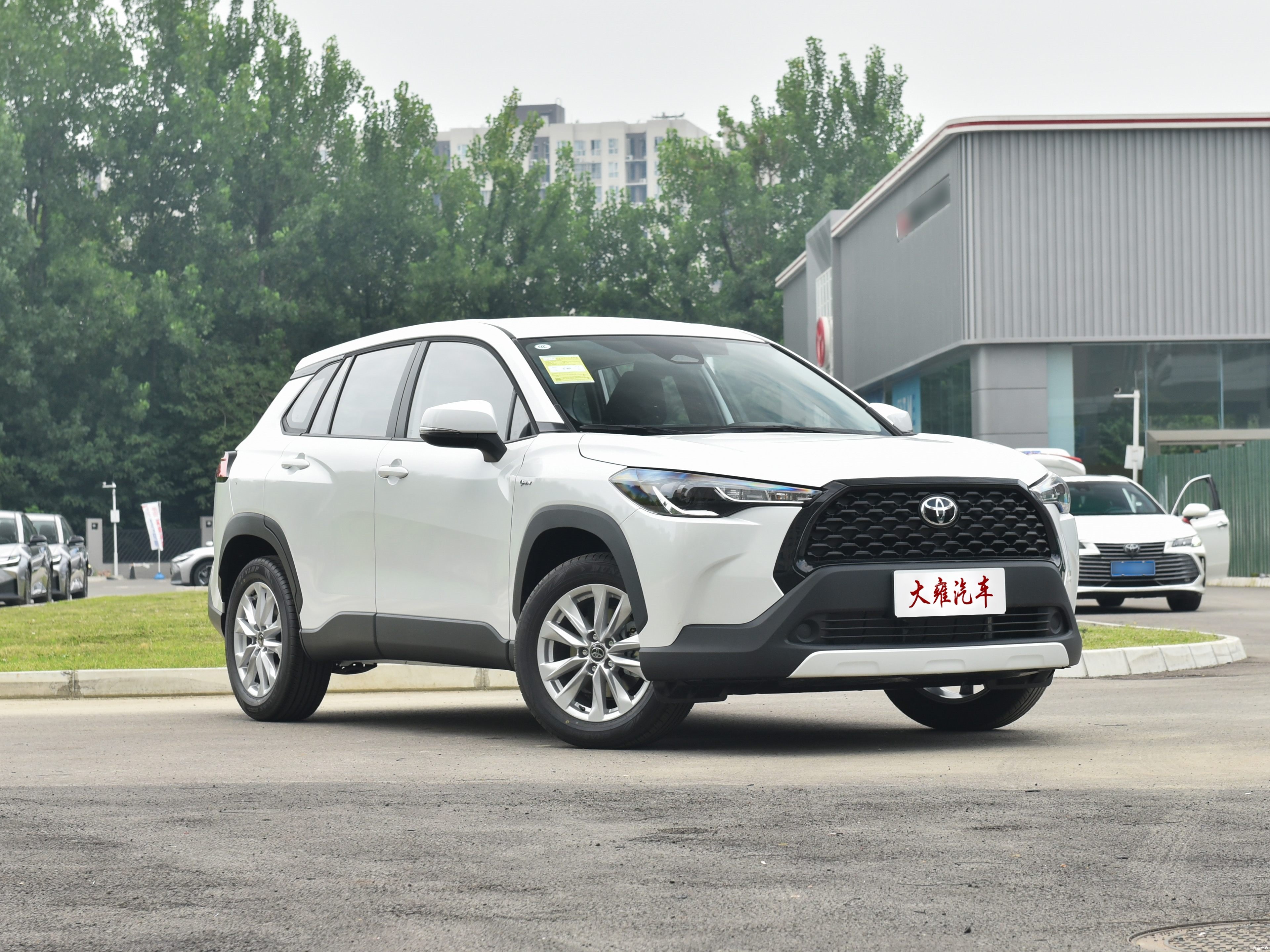
The automotive industry continues to evolve with advanced safety technologies, and the Toyota Corolla stands at the forefront of this innovation. As one of the world's most popular compact sedans, the latest Toyota Corolla incorporates comprehensive safety systems designed to protect occupants and prevent accidents. Understanding these Toyota Corolla safety features helps consumers make informed decisions when selecting their next vehicle. Modern safety technology has transformed how we think about vehicle protection, moving beyond basic airbags to sophisticated electronic systems that actively monitor road conditions and driver behavior.
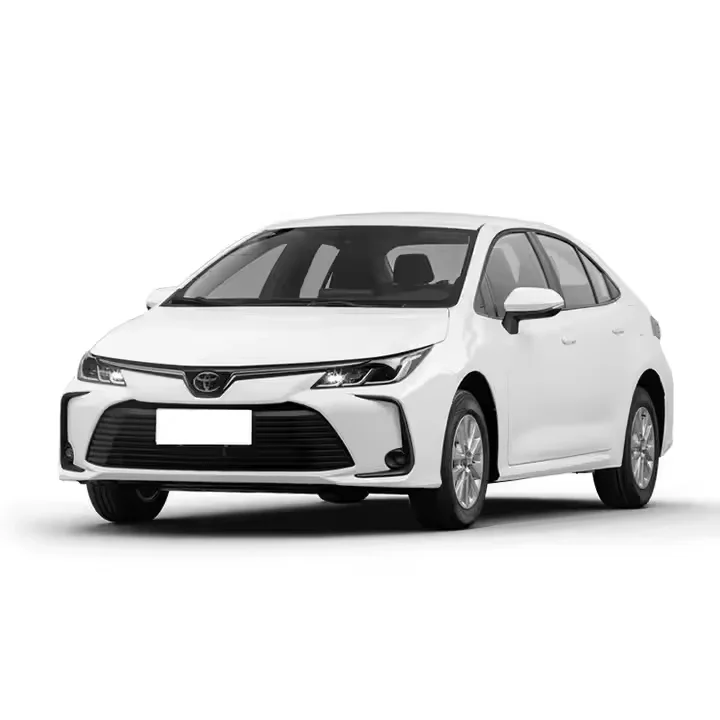
Active Safety Systems
Toyota Safety Sense 2.0 Technology
The cornerstone of Toyota Corolla safety features lies within the Toyota Safety Sense 2.0 suite, which comes standard across all trim levels. This comprehensive system includes pre-collision warning with automatic emergency braking, capable of detecting pedestrians, cyclists, and vehicles ahead. The system uses both radar and camera technology to monitor the road environment continuously. When a potential collision is detected, the system alerts the driver through visual and audible warnings, and if necessary, applies the brakes automatically to avoid or mitigate impact.
Dynamic radar cruise control represents another essential component of the Toyota Corolla safety features package. This adaptive system maintains a preset following distance from the vehicle ahead, automatically adjusting speed to match traffic flow. The technology reduces driver fatigue during long highway journeys while maintaining safe spacing between vehicles. Lane departure alert with steering assist actively monitors lane markings and provides corrective steering input when unintentional lane departure is detected.
Blind Spot Monitoring and Rear Cross Traffic Alert
Advanced monitoring systems enhance driver awareness by covering areas not easily visible through mirrors. The blind spot monitoring system uses radar sensors to detect vehicles in adjacent lanes, illuminating warning indicators in the side mirrors when other vehicles are present. This technology proves particularly valuable during highway merging and lane changes. The system activates at speeds above approximately 10 mph and continues monitoring throughout the driving experience.
Rear cross traffic alert complements the blind spot monitoring by detecting approaching vehicles when backing out of parking spaces. The system monitors traffic from both directions and provides audible warnings when cross traffic is detected. These Toyota Corolla safety features work together to create a comprehensive awareness network around the vehicle, significantly reducing the likelihood of side-impact collisions and parking lot incidents.
Passive Safety Protection
Advanced Airbag System
The passive safety architecture of the Toyota Corolla includes a sophisticated ten-airbag system designed to protect occupants from multiple impact angles. Front airbags provide primary protection for the driver and front passenger, while side-impact airbags protect the torso during lateral collisions. Curtain airbags extend along the entire length of the passenger compartment, protecting heads during side impacts and potential rollover scenarios. Knee airbags for the driver add an additional layer of protection for lower extremities.
The deployment strategy for these Toyota Corolla safety features utilizes advanced sensors that determine crash severity, occupant position, and seat belt usage before activating appropriate airbags. This intelligent system ensures optimal protection while minimizing the risk of airbag-related injuries. The airbag system integrates with seat belt pretensioners that instantly tighten seat belts during collision detection, positioning occupants for optimal airbag effectiveness.
High-Strength Steel Construction
Toyota engineers constructed the Corolla's body using high-strength steel in strategic locations to create effective crumple zones while maintaining passenger compartment integrity. The front and rear sections are designed to absorb and dissipate crash energy, while the central passenger cage remains rigid to protect occupants. This approach represents fundamental engineering principles behind effective Toyota Corolla safety features, balancing energy absorption with structural protection.
Strategic reinforcement points throughout the vehicle structure enhance side-impact protection and improve overall crashworthiness. The door frames incorporate high-strength steel beams that resist intrusion during side collisions, while the roof structure provides enhanced protection during rollover scenarios. These structural Toyota Corolla safety features undergo extensive testing to meet and exceed government safety standards worldwide.
Electronic Stability and Control Systems
Vehicle Stability Control
Electronic stability control forms a critical component of Toyota Corolla safety features, continuously monitoring vehicle dynamics and intervening when loss of control is detected. The system uses sensors to measure steering angle, vehicle speed, lateral acceleration, and yaw rate to determine if the vehicle is following the intended path. When understeer or oversteer conditions are detected, the system selectively applies brakes to individual wheels and reduces engine power to help maintain vehicle stability.
Traction control works in conjunction with the stability system to prevent wheel spin during acceleration on slippery surfaces. This technology proves especially valuable in adverse weather conditions, helping drivers maintain control during rain, snow, or icy conditions. The integration of these systems creates a comprehensive safety network that operates transparently, allowing drivers to maintain confidence in various driving situations.
Anti-Lock Braking System with Electronic Brake Distribution
The anti-lock braking system prevents wheel lockup during emergency braking situations, allowing drivers to maintain steering control while achieving maximum braking effectiveness. The system rapidly modulates brake pressure to individual wheels, preventing skidding and maintaining vehicle stability. Electronic brake-force distribution optimizes braking pressure between front and rear wheels based on vehicle loading and road conditions, ensuring optimal stopping performance in all scenarios.
Brake assist technology recognizes emergency braking situations and applies maximum braking force even if the driver does not press the pedal with sufficient force. This feature compensates for the natural tendency to brake less aggressively than necessary during panic situations. These Toyota Corolla safety features work seamlessly together to provide maximum braking performance while maintaining vehicle control during emergency maneuvers.
Advanced Driver Assistance Technologies
Lane Tracing Assist
Lane tracing assist represents an evolution of traditional lane keeping systems, providing continuous steering input to help maintain lane position during highway driving. The system uses camera technology to identify lane markings and provides gentle steering corrections to keep the vehicle centered in its lane. This technology reduces driver fatigue during long trips while providing an additional safety margin against unintentional lane departures.
The system operates in conjunction with dynamic radar cruise control to provide semi-autonomous highway driving capabilities. When both systems are active, the vehicle can maintain speed, following distance, and lane position with minimal driver input. However, the system requires driver attention and steering wheel contact, ensuring that drivers remain engaged in the driving process while benefiting from these advanced Toyota Corolla safety features.
Road Sign Assist and Automatic High Beams
Road sign recognition technology uses camera systems to identify speed limit signs, stop signs, and other important road signage, displaying this information on the instrument cluster. This feature helps drivers stay informed about changing speed limits and road conditions, particularly in unfamiliar areas. The system enhances situational awareness and supports compliance with traffic regulations, contributing to overall road safety.
Automatic high beam control switches between high and low beams based on approaching or preceding vehicle detection. The system maximizes visibility during nighttime driving while preventing glare for other drivers. These intelligent lighting controls represent important Toyota Corolla safety features that enhance nighttime driving comfort and safety without requiring driver intervention.
Emergency Response and Communication
Emergency Assistance Connect
Safety Connect services provide emergency assistance capabilities that can automatically contact emergency services following severe collisions. The system uses built-in cellular connectivity to transmit vehicle location and crash data to emergency responders, potentially reducing response times in critical situations. This technology proves especially valuable in remote areas where cellular phone coverage might be limited or when occupants are unable to call for help themselves.
The system also includes stolen vehicle locator services and roadside assistance connectivity, providing comprehensive support beyond collision scenarios. These connected Toyota Corolla safety features represent the integration of vehicle systems with emergency services infrastructure, creating a comprehensive safety network that extends beyond the vehicle itself.
Enhanced Visibility Features
LED headlights and daytime running lights improve visibility for both the Corolla driver and other road users. The LED technology provides brighter, whiter light that enhances road illumination while consuming less energy than traditional halogen bulbs. Automatic headlight activation ensures that lights are always active when needed, reducing the likelihood of driving without proper illumination during dawn, dusk, or overcast conditions.
Integrated turn signal mirrors and LED brake lights provide enhanced visibility to surrounding vehicles, improving communication of driver intentions. These visibility enhancements complement the active and passive Toyota Corolla safety features by ensuring that the vehicle remains visible to other drivers in various lighting conditions, reducing the likelihood of accidents caused by visibility limitations.
FAQ
How effective are Toyota Corolla safety features in real-world crash scenarios?
Toyota Corolla safety features have earned top ratings from major safety organizations worldwide, including five-star overall ratings from NHTSA and Top Safety Pick awards from IIHS. Real-world crash data demonstrates that vehicles equipped with Toyota Safety Sense 2.0 experience significantly fewer accidents compared to vehicles without these systems. The combination of active and passive safety technologies provides comprehensive protection that has proven effective in reducing both accident frequency and injury severity.
Do all Toyota Corolla trim levels include the same safety features?
Toyota makes Toyota Safety Sense 2.0 standard equipment across all Corolla trim levels, ensuring that essential active safety features are available regardless of price point. However, some advanced features like blind spot monitoring and rear cross traffic alert may vary by trim level. Higher trim levels typically include additional convenience and safety features, but the core protective systems remain consistent throughout the model line.
How do Toyota Corolla safety features compare to competitors in the compact sedan segment?
Toyota Corolla safety features consistently rank among the best in the compact sedan segment, with many technologies coming standard where competitors offer them as optional equipment. The comprehensive nature of Toyota Safety Sense 2.0 and the inclusion of ten airbags as standard equipment demonstrates Toyota's commitment to safety across all price points. Independent safety testing consistently places the Corolla among the top performers in its class for both crash protection and accident prevention capabilities.
Can Toyota Corolla safety features be disabled if desired?
Most Toyota Corolla safety features can be temporarily disabled through vehicle settings, allowing drivers to customize system behavior based on driving conditions or personal preferences. However, systems like airbags and electronic stability control cannot be completely disabled as they represent fundamental safety equipment. The vehicle typically reactivates temporarily disabled systems when restarted, ensuring that these important safety technologies remain active unless specifically deactivated by the driver.