
 EN
EN
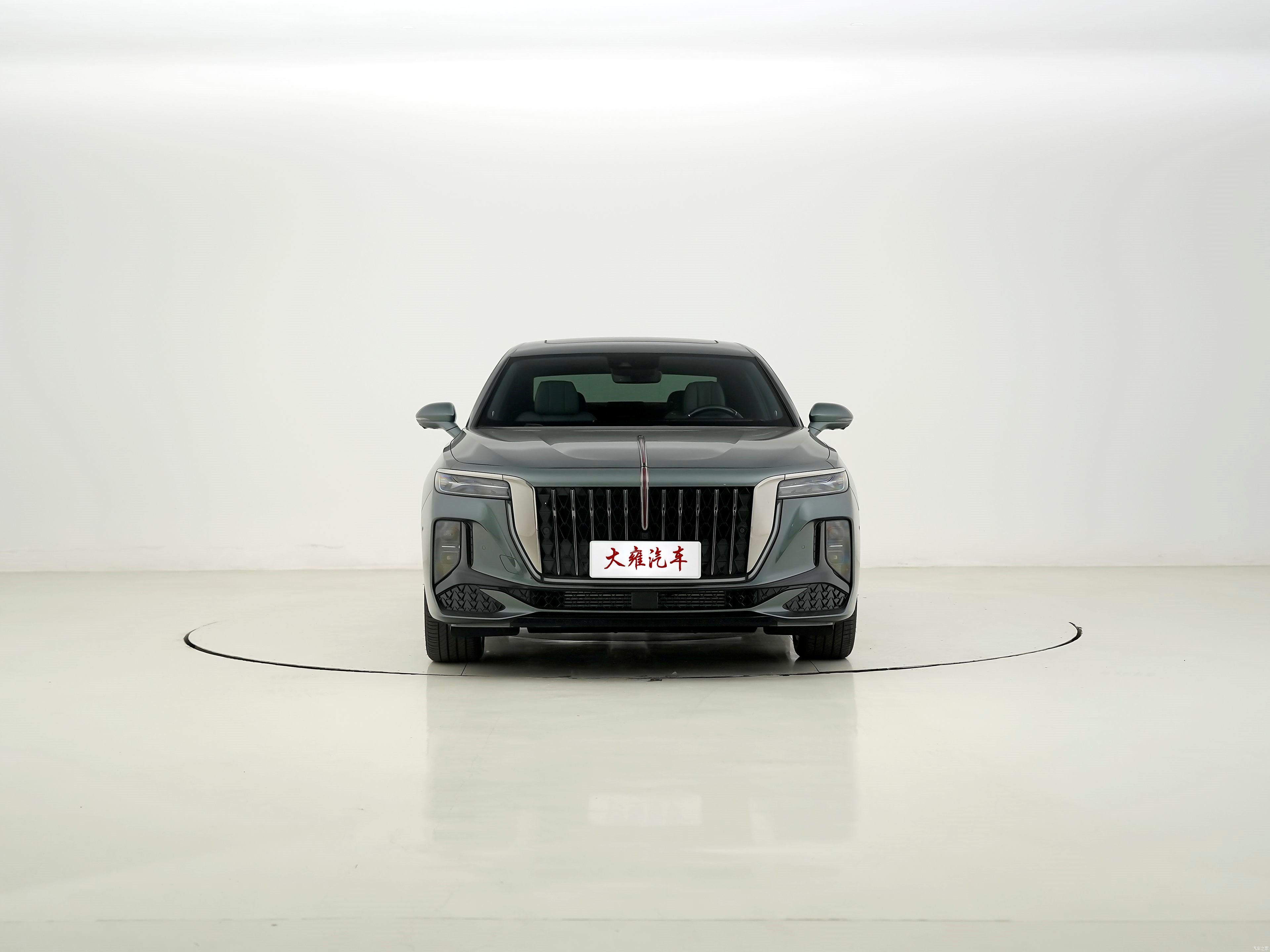
صنعت خودرو در آستانهای حساس قرار دارد، زیرا مصرفکنندگان در سراسر جهان با چالش انتخاب بین وسایل نقلیه سنتی بنزینی و وسایل نقلیه نوین انرژی جدید مواجه هستند. این تصمیم مهم نه تنها بر نیازهای حملونقل فردی تأثیر میگذارد، بلکه در تلاشهای جهانی برای پایداری محیط زیست نیز نقش دارد. درک تفاوتهای اساسی، مزایا و محدودیتهای هر دو گزینه برای اتخاذ تصمیم آگاهانهای که با نیازهای شخصی و هوشیاری محیط زیستی سازگار باشد، ضروری است.
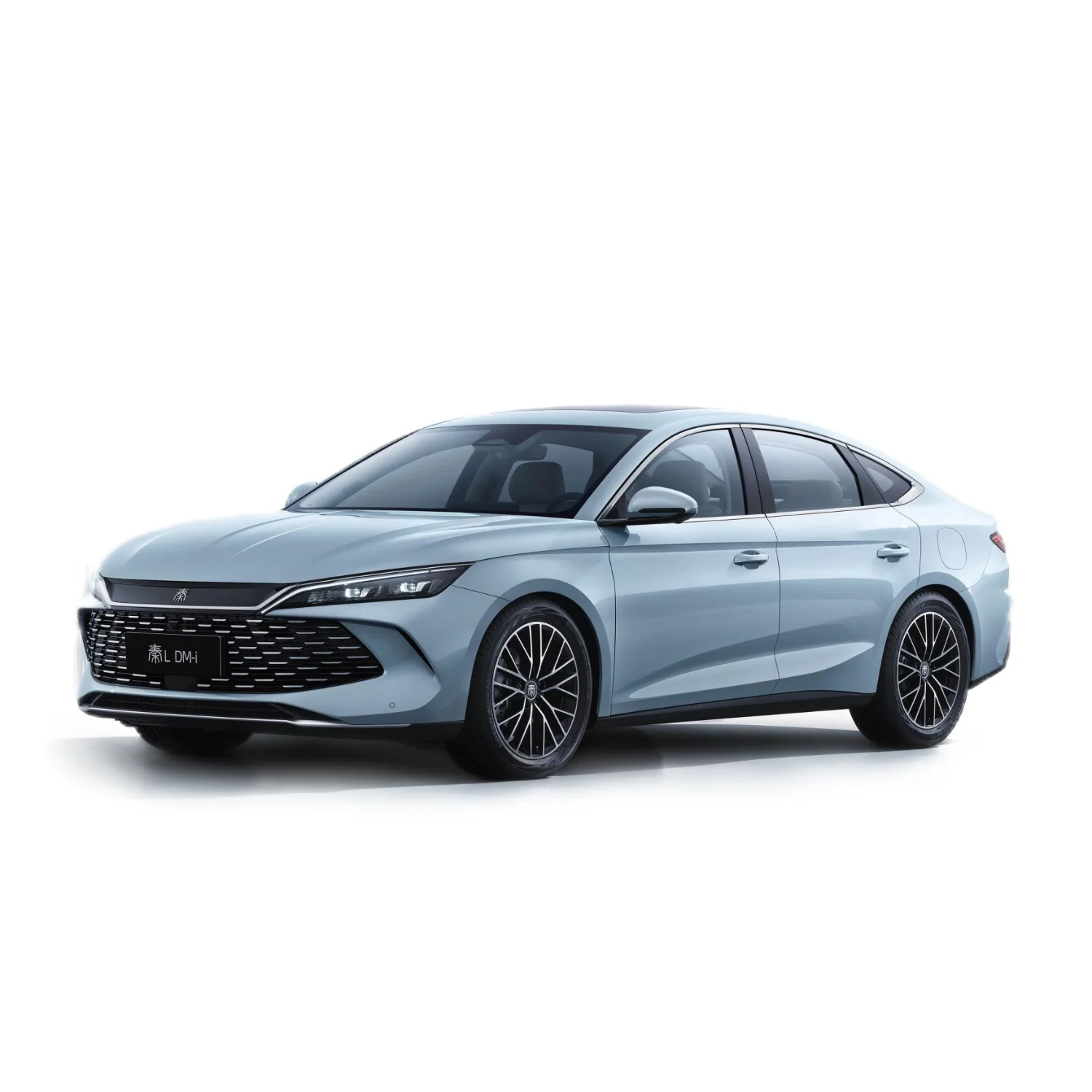
پیشرفت سریع در فناوری خودرو، نحوهی نگرش ما به حملونقل شخصی را دگرگون کرده است. وسایل نقلیه انرژی جدید نشاندهنده حرکت چشمگیری از موتورهای احتراق داخلی سنتی به سمت منابع انرژی پاکتر و کارآمدتر است. این وسایل نقلیه شامل فناوریهای مختلفی از جمله وسایل نقلیه باتری الکتریکی (BEV)، هیبریدی شارژشونده (PHEV) و وسایل نقلیه سلول سوختی میشوند که هر کدام مزایای منحصربهفردی ارائه داده و به نیازهای مختلف مصرفکنندگان در چشمانداز مدرن صنعت خودرو پاسخ میدهند.
بررسی اثرات زیستمحیطی و پایداری
تحلیل رد پای کربن
وسایل نقلیه انرژی جدید بهطور قابل توجهی انتشار کربن کمتری در طول عمر خود نسبت به خودروهای بنزینی سنتی دارند. هرچند فرآیندهای تولید باتری خودروهای الکتریکی در ابتدا انتشارات بیشتری تولید میکنند، اما مرحله بهرهبرداری از وسایل نقلیه انرژی جدید بدون انتشار مستقیم آلاینده است و بهطور چشمگیری تأثیر زیستمحیطی کلی را کاهش میدهد. مطالعات نشان میدهند که خودروهای برقی در طول چرخه حیات خود حدود ۶۰ تا ۷۰ درصد انتشارات کمتری دارند، حتی با در نظر گرفتن تولید برق از منابع ترکیبی انرژی.
مزایای زیستمحیطی وسایل نقلیه انرژی جدید بهمرور زمان که شبکههای برق بیشتری از منابع انرژی تجدیدپذیر تغذیه شوند، برجستهتر میشود. تولید انرژی خورشیدی، بادی و هیدروالکتریک بهطور جهانی در حال گسترش است و ایجاد یک اکوسیستم انرژی پاکتر میکند که بهطور مستقیم به بهرهبرداری از خودروهای برقی کمک میکند. این رابطه همافزا بین زیرساختهای انرژی تجدیدپذیر و حملونقل الکتریکی، راهحلی پایدار برای تحرک نسلهای آینده ایجاد میکند.
مزایای حفظ منابع
وسایل نقلیه سنتی بنزینی منابع محدود سوخت فسیلی را مصرف میکنند که استخراج، تصفیه و حملونقل گسترده آنها لازم است. وسایل نقلیه انرژی جدید از برق استفاده میکنند که میتواند از منابع تجدیدپذیر تولید شود و به کاهش وابستگی به واردات نفت و دستیابی به استقلال انرژی کمک میکند. این تغییر سمت الگوهای مصرف پایدار انرژی، استراتژیهای حفاظت بلندمدت منابع را پشتیبانی میکند و در عین حال کارایی و راحتی حملونقل را حفظ میکند.
بهبود فناوری باتری به طور مداوم قابلیتهای بازیافت برای وسایل نقلیه انرژی جدید را پیش میبرد و فرصتهای اقتصاد چرخشی را در بخش خودروسازی ایجاد میکند. فرآیندهای پیشرفته بازیافت مواد ارزشمنه از باتریهای استفادهشده، از جمله لیتیوم، کبالت و نیکل را بازیابی میکنند و نیاز به معادن مواد اولیه و اختلالات زیستمحیطی ناشی از فعالیتهای استخراج منابع را کاهش میدهند.
عوامل اقتصادی و هزینه کل مالکیت
ملاحظات قیمت اولیه خرید
تفاوت هزینه اولیه بین وسایل نقلیه انرژی جدید و خودروهای بنزینی در سالهای اخیر بهطور قابل توجهی کاهش یافته است. اگرچه تاریخاً وسایل نقلیه برقی قیمتهای بالاتری داشتند، اما مشوقهای دولتی، اعتبار مالیاتی و تخفیفهای سازنده اغلب تفاوت اولیه هزینه را جبران میکنند. بسیاری از مناطق انگیزههای مالی قابل توجهی برای خودروهای انرژی جدید ارائه میدهند که آنها را در زمان خرید از نظر مالی رقابتپذیر با وسایل نقلیه سنتی میکند.
افزایش مقیاس تولید و بهبود فناوری باتری بهطور مداوم هزینههای تولید وسایل نقلیه انرژی جدید را کاهش میدهد. کارشناسان صنعت پیشبینی میکنند که تا چند سال آینده تساوی قیمت بین وسایل نقلیه برقی و بنزینی حاصل شود و مانع اولیه هزینه که تاریخاً بسیاری از مصرفکنندگان را از پذیرش راهحلهای حمل و نقل الکتریکی باز میداشت، از بین برود.
هزینههای عملیاتی بلندمدت
وسایل نقلیه انرژی جدید معمولاً هزینههای عملیاتی بسیار پایینتری نسبت به وسایل نقلیه بنزینی دارند. هزینه برق به ازای هر مایل بهمراتب کمتر از هزینه بنزین است و صرفهجویی فوری در نیازهای روزانه رانندگی فراهم میکند. نیازهای نگهداری موتورهای الکتریکی در مقایسه با موتورهای احتراق داخلی پیچیده بسیار کم است که منجر به کاهش فواصل سرویس و هزینههای نیروی کار مرتبط در طول دوره مالکیت خودرو میشود.
هزینه بیمه وسایل نقلیه انرژی جدید اغلب منعکسکننده نرخ تصادفات پایینتر و ویژگیهای ایمنی پیشرفته است که میتواند باعث کاهش حق بیمه سالانه شود. علاوه بر این، بسیاری از مناطق هزینه ثبت کاهشیافته، تخفیف عوارض عبور از جاده و مشوقهای پارکینگ را برای مالکان وسایل نقلیه الکتریکی ارائه میدهند که مزایای مالی اضافی ایجاد میکند و در طول زمان تجمع پیدا کرده و به محاسبات مطلوب هزینه کل مالکیت کمک میکند.
قابلیتهای عملکردی و فناوری
تجربه رانندگی و بهرهوری
وسایل نقلیه انرژی جدید گشتاور فوری و ویژگیهای شتابدهی روانی ارائه میدهند که در بسیاری از معیارهای عملکردی، فراتر از موتورهای بنزینی سنتی هستند. موتورهای الکتریکی بدون تأخیر در انتقال قدرت، بلافاصله انرژی را تأمین میکنند و تجربه رانندگی پاسخگویی بالایی ایجاد میکنند که برای مصرفکنندگان علاقهمند به عملکرد جذاب است. عملکرد بیصدا سیستمهای پیشرانش الکتریکی، آلودگی صوتی را کاهش داده و راحتی داخل کابین را در حین تردد روزمره و سفرهای طولانی افزایش میدهد.
رتبهبندی بازده انرژی وسایل نقلیه انرژی جدید بهطور قابل توجهی از بازده وسایل نقلیه بنزینی فراتر است و حدود 80 تا 90 درصد انرژی الکتریکی را به حرکت تبدیل میکند، در مقایسه با 20 تا 30 درصد بازده موتورهای احتراق داخلی. این بازده برتر منجر به کاهش مصرف انرژی و کاهش هزینههای عملیاتی میشود، در حالی که ویژگیهای عملکردی قابل مقایسه یا برتر را در شرایط مختلف رانندگی حفظ میکند.
ادغام تکنولوژی پیشرفته
وسایل نقلیه مدرن انرژی جدید شامل ویژگیهای فناوری پیشرفتهای هستند که ایمنی، راحتی و اتصالپذیری را افزایش میدهند. سیستمهای پیشرفته کمک راننده، بهروزرسانیهای نرمافزاری از طریق شبکه بیسیم و اتصال یکپارچه با دستگاههای هوشمند، اکوسیستمهای دیجیتال جامعی ایجاد میکنند که بهطور مداوم در طول دوره مالکیت، عملکرد خودرو را توسعه و بهبود میبخشند.
سیستمهای ترمز بازیابی در وسایل نقلیه انرژی جدید، انرژی جنبشی را در حین کاهش سرعت جمعآوری میکنند و موجب افزایش محدوده رانندگی و کاهش سایش ترمز و نیازهای نگهداری میشوند. این فناوری نوآورانه نشان میدهد که خودروهای الکتریکی چگونه از طریق یکپارچهسازی هوشمند سیستمها، استفاده از انرژی را بهینه کرده و مصرف و ضایعات را در تمام جنبههای عملیاتی به حداقل میرسانند.
زیرساختها و ملاحظات عملی
توسعه شبکه شارژ
گسترش جهانی زیرساختهای شارژ، بهطور مداوم نگرانیهای مربوط به محدودیت برد وسایل نقلیه انرژی جدید را کاهش میدهد. شبکههای عمومی شارژ اکنون پوشش جامعی در طول شریانهای اصلی حملونقل، مناطق شهری و جوامع شهرکی فراهم کردهاند و امکان سفرهای طولانی و تردد روزانه را بدون محدودیت زیرساختی فراهم میکنند.
راهحلهای شارژ خانگی راحتی و صرفهجویی در هزینه را برای مالکان وسایل نقلیه انرژی جدید فراهم میکنند و امکان شارژ در طول شب در ساعات غیراوج مصرف برق را فراهم میآورند. سیستمهای شارژ خانگی سطح ۲ (Level 2) بازیابی کافی از برد روزانه را برای اکثر الگوهای رانندگی فراهم میکنند، در حالی که قابلیتهای شارژ سریع DC امکان شارژ سریع را در سفرهای طولانی یا در صورت نیازهای غیرمنتظره به برد فراهم میکنند.
برد و لجستیک تکمیل سوخت
وسایل نقلیه جدید انرژیمحور امروزی دارای برد رانندگی هستند که نیازهای روزانه اکثر مصرفکنندگان به حملونقل را برآورده میکنند یا از آن فراتر میروند. فناوری پیشرفته باتری در بسیاری از خودروهای برقی، بردی معادل ۳۰۰ تا ۴۰۰ مایل را فراهم میکند که قابل مقایسه با قابلیتهای خودروهای بنزینی است و در عین حال راهحلهای هزینهموثری برای فعالیتهای رانندگی روزمره ارائه میدهد.
بهبود زمان شارژ از طریق فناوری شارژ سریع، تأخیرهای تدارک سوخت را کاهش میدهد؛ بسیاری از خودروهای نوین انرژیمحور قادرند با استفاده از سیستمهای شارژ سریع مستقیم (DC)، در عرض ۳۰ تا ۴۵ دقیقه به ۸۰ درصد ظرفیت باتری برسند. این سرعت شارژ به راحتی تدارک سوخت خودروهای بنزینی نزدیک شده و در عین حال انعطافپذیری شارژ خانگی را برای سناریوهای استفاده روزانه فراهم میکند.
روندهای آینده بازار و چشمانداز صنعت
مسیرهای پیشرفت فناوری
فناوری باتری به سرعت در حال پیشرفت است و باتریهای حالت جامد قول افزایش چگالی انرژی، سرعت شارژ سریعتر و عمر طولانیتر را برای خودروهای نیروی جدید میدهند. این بهبودهای فناوری با رفع محدودیتهای فعلی و گسترش محدوده عملکرد برای کاربردهای مختلف مصرفکننده، جذابیت حملونقل الکتریکی را بیشتر خواهند کرد.
ادغام فناوری رانندگی خودکار در خودروهای نیروی جدید به دلیل معماریهای الکتریکی پیشرفته و قابلیتهای محاسباتی آنها سریعتر پیشرفت میکند. همگرایی پیشرانش الکتریکی و عملکرد خودکار، فرصتهای همافزایی برای بهبود کارایی و ایمنی حملونقل ایجاد میکند که وسایل نقلیه سنتی به راحتی نمیتوانند آن را تکرار کنند.
الگوهای پذیرش بازار
مقررات دولتی در سراسر جهان به طور فزایندهای خودروهای انرژی جدید را از طریق استانداردهای انتشار، زمانبندی توقف موتورهای احتراق داخلی و مشوقهای مالی حمایت میکنند. این چارچوبهای سیاستی تحول بازار به سمت حملونقل الکتریکی را تسریع میکنند و در عین حال قطعیت تنظیمی برای مصرفکنندگانی که در مورد تصمیمات بلندمدت مالکیت وسیله نقلیه در نظر دارند، فراهم میآورند.
پذیرش مصرفکننده از خودروهای انرژی جدید به طور مداوم در حال افزایش است، زیرا تجربیات کاربران اولیه قابلیت اطمینان، صرفهجویی در هزینه و مزایای عملکردی را نشان میدهند. توصیههای شفاهی و تنوع فزاینده مدلها در تمام بخشهای خودرو به الگوهای پذیرش عمومی کمک میکند که هم به نفع مصرفکنندگان و هم به منظور دستیابی به اهداف پایداری محیط زیست است.
پرسشهای متداول
قابلیت اطمینان خودروهای انرژی جدید در مقایسه با خودروهای بنزینی چگونه است
وسایل نقلیه انرژی جدید آمار قابل توجهی از قابلیت اطمینان را نشان میدهند، زیرا تعداد قطعات متحرک کمتری نسبت به موتورهای احتراقی دارند و در نتیجه نیاز به نگهداری و تعمیرات مکانیکی کمتری دارند. موتورهای الکتریکی سابقه طولانی از دوام و پایداری در دههها عملکرد موفق داشتهاند، در حالی که فناوری باتری بهطور مداوم در حال بهبود است و ضمانتهای سازنده معمولاً ۸ تا ۱۰ سال یا بیش از ۱۰۰٬۰۰۰ مایل را پوشش میدهند و اطمینان خاطر از نظر قابلیت اطمینان و عملکرد بلندمدت فراهم میکنند.
زمان شارژ معمول برای وسایل نقلیه انرژی جدید چقدر است
زمانهای شارژ بسته به روش شارژ و ظرفیت باتری بسیار متفاوت هستند. شارژ خانگی سطح ۲ معمولاً ۶ تا ۱۲ ساعت برای شارژ کامل نیاز دارد، در حالی که شارژ سریع مستقیم (DC) اکثر وسایل نقلیه انرژی جدید را در ۳۰ تا ۴۵ دقیقه تا ۸۰ درصد ظرفیت میرساند. نیازهای روزانه رانندگی معمولاً تنها شارژ جزئی را میطلبد و بنابراین زمان واقعی مورد نیاز برای شارژ در الگوهای استفاده عادی کاهش مییابد.
آیا وسایل نقلیه انرژی جدید در شرایط آب و هوایی شدید به خوبی کار میکنند
وسایل نقلیه مدرن انرژی جدید شامل سیستمهای پیچیده مدیریت حرارتی هستند که عملکرد بهینه را در دماهای بسیار بالا و پایین حفظ میکنند. اگرچه بازده باتری در شرایط بسیار سرد یا گرم ممکن است کاهش یابد، اما سیستمهای پیشرفته کنترل آبوهوایی و فناوریهای گرمایشی/سرمایشی باتری، عملکرد قابل اعتمادی را در شرایط آبوهوایی مختلف تضمین میکنند و کاهش برد در شرایط شدید معمولاً به ۱۰ تا ۲۰ درصد محدود میشود.
وقتی عمر خودرویی باتریهای وسایل نقلیه انرژی جدید به پایان میرسد، چه اتفاقی برای آنها میافتد
باتریهای مستعمل خودروهای انرژی جدید ظرفیت قابل توجهی را حفظ میکنند که برای کاربردهای ذخیرهسازی انرژی ثابت مناسب است و فرصتهای عمر دوم را در سیستمهای خورشیدی مسکونی و پروژههای ذخیرهسازی شبکه ایجاد میکند. زمانی که باتریها به پایان عمر خود میرسند، فرآیندهای جامع بازیافت مواد ارزشمنه از جمله لیتیوم، کبالت و نیکل را بازیابی کرده و آنها را برای تولید باتریهای جدید به کار میبرند و راهحلهای پایدار اقتصاد چرخشی را در اکوسیستم خودروهای برقی ایجاد میکنند.