
 EN
EN
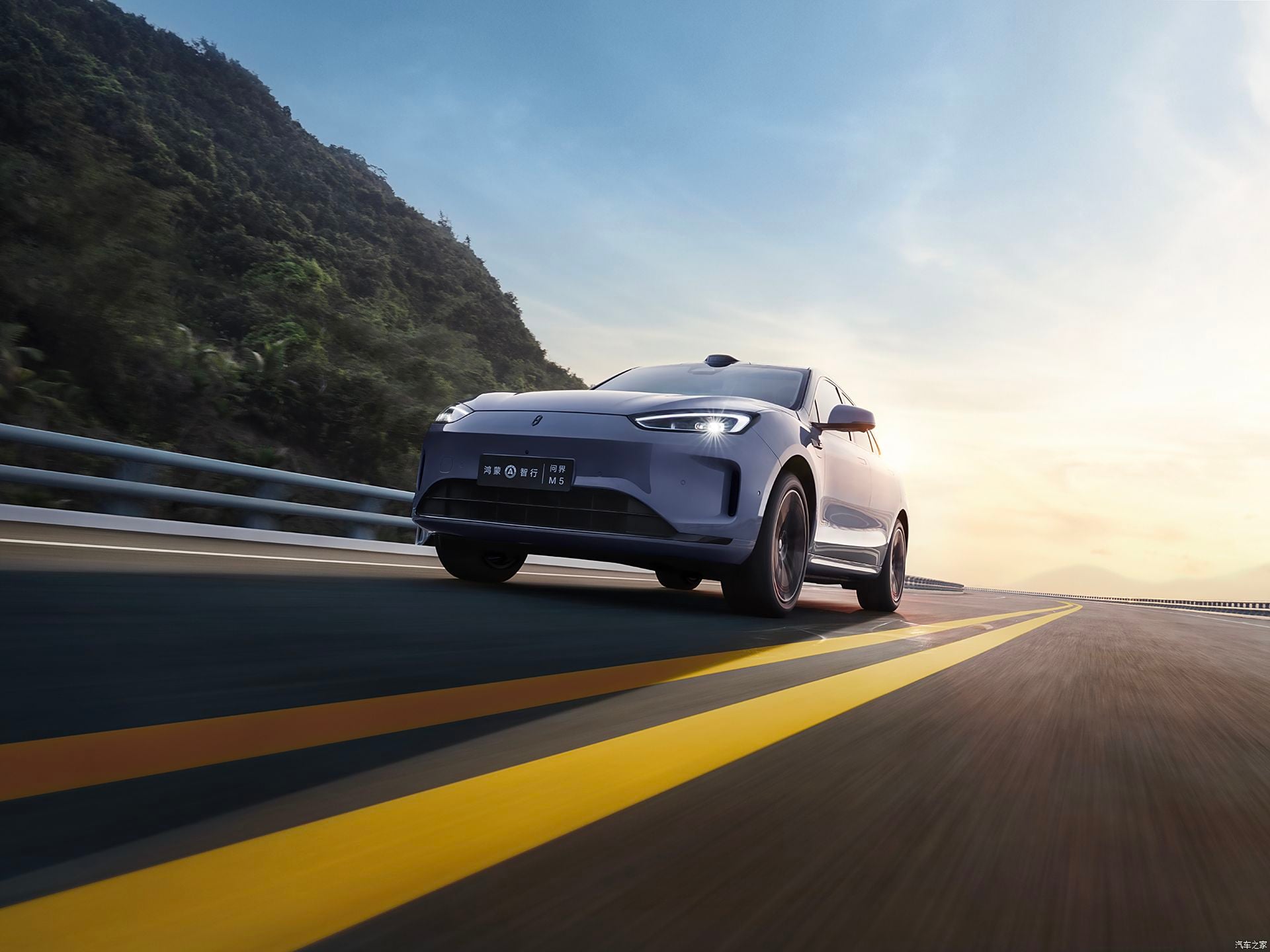
Suvremena auto industrija dosegla je ključni trenutak u kojem potrošači suočavaju sve složeniju odluku između električnih i vozila s benzinskim motorom. Ova transformacija na tržištu automobila odražava šire promjene u tehnologiji, svijesti o okolišu i potrošačkim preferencijama koje oblikuju način na koji razmišljamo o osobnom prijevozu. Razumijevanje temeljnih razlika između električnih i benzinskih automobila zahtijeva ispitivanje više čimbenika, uključujući karakteristike rada, troškove uporabe, utjecaj na okoliš i dugoročne vrijednosne aspekte koji utječu na svaku odluku o kupnji automobila.

Izbor između električnih i tradicionalnih automobila s benzinskim motorom postao je sve složeniji kako proizvođači nastavljaju inovirati u oba segmenta. Električni automobili razvili su se od nišnih proizvoda do glavnih auto opcija koje direktno konkurišu konvencionalnim vozilima po pitanju performansi, pouzdanosti i privlačnosti za potrošače. U međuvremenu, vozila s benzinским motorom i dalje imaju koristi od desetljeća inženjerske dorade i uspostavljene infrastrukture koja omogućuje široku primjenu i udobnost za vlasnike automobila diljem zemlje.
Usporedba performansi i voznog iskustva
Ubrzanje i dostava snage
Električni automobili obično nude trenutnu dostavu okretnog momenta koja omogućuje izuzetno ubrzanje iz mirovanja, često nadmašujući slične automobile s benzinskim motorima u vremenima ubrzanja od 0 do 96 km/h. Ova odmah dostupna snaga transformira vozačko iskustvo tako što uklanja kašnjenje povezano s tradicionalnim motorima s unutarnjim sagorijevanjem. Uglajeno, linearno ubrzanje električnih motora stvara sofisticiran osjećaj vožnje koji mnogi ljubitelji automobila smatraju privlačnim, osobito u gradskim uvjetima vožnje gdje su česte zaustavljanja i polasci.
Automobili s benzinskim motorom nude drugačije, ali jednako uzbudljivo vozačko iskustvo, obilježeno poznatim zvukom i osjećajem rada motora s unutarnjim izgaranjem. Mnogi vozači cijene zvučnu povratnu informaciju i postepeni raspon snage koji benzinski motori pružaju, stvarajući tradicionalnije automobilsko iskustvo. Dostava snage u benzinskim modelima automobila obično se postepeno povećava kroz raspon okretaja, nudeći drugačiji tip uključenosti koji neki vozači preferiraju pri vožnji na autocesti i dinamičnoj vožnji.
Raspon i razmatranja punjenja gorivom
Briga zbog dosega i dalje je važan faktor za potencijalne kupce električnih automobila, iako moderni električni automobili sve češće nude domet koji zadovoljava ili premašuje svakodnevne potrebe većine korisnika. Trenutačna tehnologija električnih automobila obično omogućuje domet od 250-400 milja po punjenju, što pokriva veliku većinu svakodnevnih vožnji na posao i lokalnih putovanja. Infrastruktura za punjenje nastavlja se brzo proširivati, što čini vožnju električnim automobilima na duge udaljenosti sve praktičnijom za avanturističke vozače.
Vozila s benzinskim motorom imaju prednost u brzini punjenja gorivom i dostupnosti infrastrukture, jer su benzinske postaje lako dostupne na većini područja, a punjenje se obavlja u roku od nekoliko minuta. Ova utvrđena infrastruktura daje vlasnicima automobila osjećaj sigurnosti prilikom čestih putovanja na velike udaljenosti ili života u područjima s ograničenim mogućnostima punjenja. Dokazana pouzdanost distribucijskih mreža benzina osigurava da vlasnici benzinskih automobila mogu s lakoćom planirati duža putovanja, bez brige o dostupnosti goriva ili produženom vremenu punjenja.
Ekonomski faktori i ukupni trošak vlasništva
Analiza početne cijene kupnje
Razlika u početnoj cijeni između električnih i benzinskih automobila znatno se smanjila kako se troškovi tehnologije baterija snižavaju, a proizvodnja povećava. Iako premium modeli električnih automobila još uvijek mogu imati više početne cijene, mnogi proizvođači sada nude konkurentne električne opcije koje su cjenovno ravnopravne s ekvivalentnim vozilima na benzin. Savezne i državne poticaji dodatno smanjuju stvarnu kupovnu cijenu električnih automobila, čineći ih sve pristupačnijima glavnim potrošačima koji traže moderne prijevozne rješenja.
Tradicionalna vozila na plin nastavljaju imati koristi od zrelih proizvodnih procesa i uspostavljenih dobavnih lanaca koji pomažu u kontroliranju početnih troškova kupnje. Konkurentni tržište automobila na benzin nudi obilan izbor u svim cijenovnim segmentima, od kompaktnih automobila povoljnih cijena do luksuznih sportskih vozila. Ova raznolikost osigurava da kupci automobila na gorivo mogu pronaći prikladne opcije bez obzira na financijska ograničenja ili posebne zahtjeve u pogledu performansi koji utječu na njihov izbor automobila.
Razmatranja troškova rada
Vlasništvo nad električnim automobilom obično rezultira znatno nižim dnevnim troškovima rada zbog smanjenih troškova goriva i minimalnih zahtjeva za održavanje. Troškovi struje za punjenje električnog automobil prosječno znatno niže od troškova benzina za ekvivalentne vožnje, posebno kada se punjenje obavlja tijekom razdoblja niskih električnih tarifa. Pojednostavljeni pogonski sustav električnih vozila eliminira mnoge tradicionalne stavke održavanja poput zamjene ulja, svjećica i servisa mjenjača koji doprinose stalnim troškovima vlasništva nad automobilima s benzinom.
Vozila na benzin zahtijevaju redovito održavanje uključujući zamjenu ulja, filtera i periodične podešavanja što doprinosi stalnim troškovima vlasništva. Međutim, ustajena servisna mreža za održavanje vozila na benzin osigurava konkurentne cijene i široku dostupnost kvalificiranih tehničara. Dostupnost dijelova i stručno znanje za tradicionalne auto sustave ostaju izvrsni, dajući vlasnicima povjerenje u poznate rutine održavanja i ustajene odnose s lokalnim automobilskim stručnjacima.
Utjecaj na okoliš i održivost
Emisije i utjecaj na kvalitetu zraka
Električna vozila proizvode nultu izravnu emisiju tijekom rada, čime doprinose poboljšanju lokalne kvalitete zraka, posebno u gradskim područjima s velikom gustoćom prometa. Okolišni benefiti korištenja električnih automobila postaju značajniji kako električne mreže sve više integriraju obnovljive izvore energije. Regionalne razlike u proizvodnji električne energije utječu na ukupni okolišni profil rada električnih automobila, pri čemu područja koja koriste čiste izvore energije pružaju najveće okolišne prednosti za prihvaćanje električnih vozila.
Suvremeni benzinski auto motori postigli su izvanredna poboljšanja u kontroli emisija zahvaljujući naprednoj tehnologiji katalitičkih pretvarača i preciznim sustavima ubrizgavanja goriva. Trenutačni benzinski modeli automobila proizvode znatno manje štetnih emisija u usporedbi s vozilima iz prethodnih desetljeća, iako i dalje proizvode ugljični dioksid i druge nusprodukte izgaranja. Ekološki utjecaj rada benzinskih automobila djelomično ovisi o kvaliteti goriva, uvjetima vožnje te praksama održavanja vozila koja utječu na učinkovitost izgaranja i rad sustava za kontrolu emisija.
Proizvodnja i razmatranja životnog ciklusa
Proizvodni proces električnih automobila zahtijeva značajnu ulaganja energije za proizvodnju baterija, iako analiza životnog ciklusa obično pokazuje ekološke prednosti tijekom cijelog razdoblja vlasništva. Programi recikliranja baterija brzo se razvijaju kako bi se riješili ekološki problemi na kraju životnog vijeka i povratili vrijedni materijali za buduću proizvodnju automobila. Ekološki profil proizvodnje električnih automobila kontinuirano se poboljšava kako napredak tehnologije baterija i proizvodni procesi postaju učinkovitiji i održiviji.
Tradicionalna proizvodnja automobila na plin koristi uspostavljene procese i mreže recikliranja koje učinkovito rade s odlaganjem vozila na kraju njihove životne dugovezine i oporavkom materijala. Čelik, aluminij i drugi materijali koji se koriste u konvencionalnoj izgradnji automobila imaju dobro razvijene kanale recikliranja koji maksimiziraju stope oporavka materijala. Emisije tijekom proizvodnje automobila na plin općenito su dobro poznate i kontrolirane kroz uspostavljene industrijske procese te okolišne propise koji reguliraju pogone za proizvodnju automobila.
Čimbenici infrastrukture i udobnosti
Infrastruktura punjenja naspram napajanja gorivom
Mreža za punjenje električnih automobila znatno se proširila, javne su postaje za punjenje sada dostupne u većini metropolitanskih područja i uz glavne prometnice. Mogućnosti punjenja kod kuće omogućuju vlasnicima električnih automobila da svaki dan započnu s potpunim nabojem, čime se eliminira potreba za redovitim posjetima benzinskim crpkama. Programi punjenja na radnom mjestu sve češće nude prikladne mogućnosti punjenja za korisnike električnih automobila, čineći vlasništvo praktičnijim za stanare i druge koji nemaju mogućnost punjenja kod kuće.
Infrastruktura za punjenje benzina i dalje nema premca u smislu brzine, udobnosti i geografskog pokrivanja većine regija. Uspostavljena mreža benzinskih postaja osigurava da vlasnici automobila mogu brzo napuniti gorivo skoro bilo gdje, čime se omogućuje jednostavno i prikladno putovanje na velike udaljenosti. Ova prednost infrastrukture posebno koristi vlasnicima automobila u ruralnim područjima gdje je infrastruktura za punjenje ograničena, kao i onima čiji obrazac vožnje uključuje česta putovanja na velike udaljenosti koja premašuju tipične domete električnih vozila.
Pristupačnost za održavanje i servisiranje
Zahtjevi za održavanjem električnih automobila općenito su jednostavniji i rjeđi nego kod tradicionalnih vozila, iako može biti potrebno stručno znanje za određene dijagnostičke postupke i popravke. Rastuća mreža servisa za električna vozila osigurava da sve više kvalificiranih tehničara bude dostupno na većini tržišta. Mnoge rutinske radnje održavanja za električna vozila mogu obaviti opći auto-mehaničari, dok radovi na visokonaponskim sustavima zahtijevaju posebnu obuku i opremu koje pružaju certificirani stručnjaci.
Mreža servisa za vozila s benzinskim motorom ostaje opsežna i konkurentna, s kvalificiranim tehničarima koji su dostupni u skoro svakom lokalnom području. Dostupnost dijelova za održavanje i popravak benzinskih vozila iznimno je dobra, što osigurava vlasnicima da svoja vozila mogu održavati ekonomično tijekom cijelog razdoblja vožnje. Poznata tehnologija i utvrđeni postupci servisa za tradicionalne auto sustave daju sigurnost vlasnicima koji preferiraju dokazane metode održavanja i brzo dostupno stručno znanje za svoje prijevozne potrebe.
Tehnologija i trendovi inovacija
Napredne značajke i povezivost
Električni automobilski modeli često prikazuju najnovije tehnološke značajke, uključujući napredne sisteme za pomoć vozaču, ažuriranja softvera putem bežične mreže i sofisticirane informacijsko-zabavne sustave. Digitalna arhitektura električnih vozila prirodno podržava integraciju s modernim mogućnostima povezivanja i integracijom pametnih uređaja, što privlači potrošače orijentirane na tehnologiju. Mnogi proizvođači električnih automobila svoja vozila pozicioniraju kao tehnološke platforme koje se tijekom vlasništva mogu razvijati i poboljšavati putem softverskih ažuriranja.
Suvremeni benzinski automobili sve više uključuju slične napredne tehnološke značajke, što pokazuje da inovacije obuhvaćaju oba pogonska sustava. Tradicionalni proizvođači automobila uložili su znatna sredstva u povezanost, sigurnosne sustave i dizajn korisničkog sučelja koji nadmašuju ili se uspoređuju s onima koje nude električni automobili. Tehnološke značajke dostupne u modelima na benzin brzo napreduju, osiguravajući da potrošači imaju pristup modernim pogodnostima bez obzira na svoj izbor pogonskog sustava.
Perspektive budućeg razvoja
Električni auto sektor profitira od brzog napretka u tehnologiji baterija, infrastrukturi za punjenje i proizvodnoj učinkovitosti, što obećava daljnji napredak u pogledu mogućnosti i dostupnosti. Baterije sa čvrstim elektrolitom i druge novootkrivene tehnologije mogu dodatno poboljšati performanse električnih automobila, smanjujući pritom troškove i vrijeme punjenja. Zamah u razvoju električnih automobila ukazuje na to da budući modeli pružiti još veći domet, brže punjenje i niže cijene, čime će postajati sve privlačnijima za širu potrošačku javnost.
Tehnologija benzinskih automobila nastavlja se razvijati kroz poboljšanu učinkovitost, integraciju hibridnih sustava i napredne materijale koji povećavaju performanse i smanjuju utjecaj na okoliš. Tehnologije poput izravnog ubrizgavanja, turbo punjenja i deaktivacije cilindara pomažu modernim benzinskim modelima da postignu impresivne vrijednosti potrošnje goriva. Kombinacija tradicionalne automobilske pouzdanosti s modernim tehnologijama učinkovitosti osigurava da benzinski automobili ostaju konkurentne opcije za potrošače koji preferiraju konvencionalne pogonske sustave.
Često se javljaju pitanja
Koje su glavne razlike u troškovima između vlasništva električnih i benzinskih automobila?
Električni automobili obično imaju višu početnu cijenu kupnje, ali značajno niže troškove uporabe zbog smanjenih troškova goriva i održavanja. Državne poticaje često smanjuju početnu razliku u cijeni, dok električna energija košta znatno manje od benzina za ekvivalentne vožnje. Automobili s motorom na benzin generalno koštaju manje na početku, ali zahtijevaju redovita ulaganja u gorivo i češće održavanje, iako su dijelovi i servisi široko dostupni po konkurentnim cijenama.
Kako se električni i automobili na benzin uspoređuju kod vožnji na velike udaljenosti?
Gorivom pokretana vozila trenutačno imaju prednost kod spontanih putovanja na velike udaljenosti zbog brzog punjenja goriva i opsežnih mreža benzinskih stanica. Električna vozila zahtijevaju više planiranja za duža putovanja, ali mogu obaviti većinu putovanja na velike udaljenosti uz odgovarajuće planiranje rute i stanice za punjenje. Proširivanje infrastrukture za punjenje čini putovanje električnim vozilima sve praktičnijim, iako je potrebno više voditi računa o vremenu putovanja u usporedbi s tradicionalnim vozilima na benzin.
Koja vrsta automobila zahtijeva manje održavanja tijekom vremena?
Električna vozila općenito zahtijevaju znatno manje održavanja zbog manjeg broja pomičnih dijelova i odsutnosti tradicionalnih motornih komponenti poput ulja, filtera i svjećica. Održavanje vozila na benzin uključuje redovne zamjene ulja, podešavanja motora i češće servisiranje kočnica, iako su ti sustavi dobro poznati i široko podržani. Održavanje električnih automobila više se usmjerava na zdravlje baterije i rotaciju guma, dok održavanje vozila na benzin slijedi utvrđene rasporede za motor i pogonske komponente.
Koji čimbenici bi trebali odrediti moj izbor između električnih i benzinskih automobila?
Odabir automobila treba uzeti u obzir svakodnevne obrasce vožnje, dostupnost punjenja kod kuće, lokalnu infrastrukturu, financijska razmatranja te osobne preference prema tehnologiji i utjecaju na okoliš. Električni modeli automobila prikladni su za predvidljive rute do posla i vožnju u gradskim područjima, dok vozila s benzinskim motorom mogu bolje odgovarati nepredvidljivim rasporedima i čestim putovanjima na veće udaljenosti. U obzir uzmite svoje specifične potrebe, lokalne poticaje i dostupnost infrastrukture prilikom donošenja odluke o kupnji automobila.
Sadržaj
- Usporedba performansi i voznog iskustva
- Ekonomski faktori i ukupni trošak vlasništva
- Utjecaj na okoliš i održivost
- Čimbenici infrastrukture i udobnosti
- Tehnologija i trendovi inovacija
-
Često se javljaju pitanja
- Koje su glavne razlike u troškovima između vlasništva električnih i benzinskih automobila?
- Kako se električni i automobili na benzin uspoređuju kod vožnji na velike udaljenosti?
- Koja vrsta automobila zahtijeva manje održavanja tijekom vremena?
- Koji čimbenici bi trebali odrediti moj izbor između električnih i benzinskih automobila?