
 EN
EN
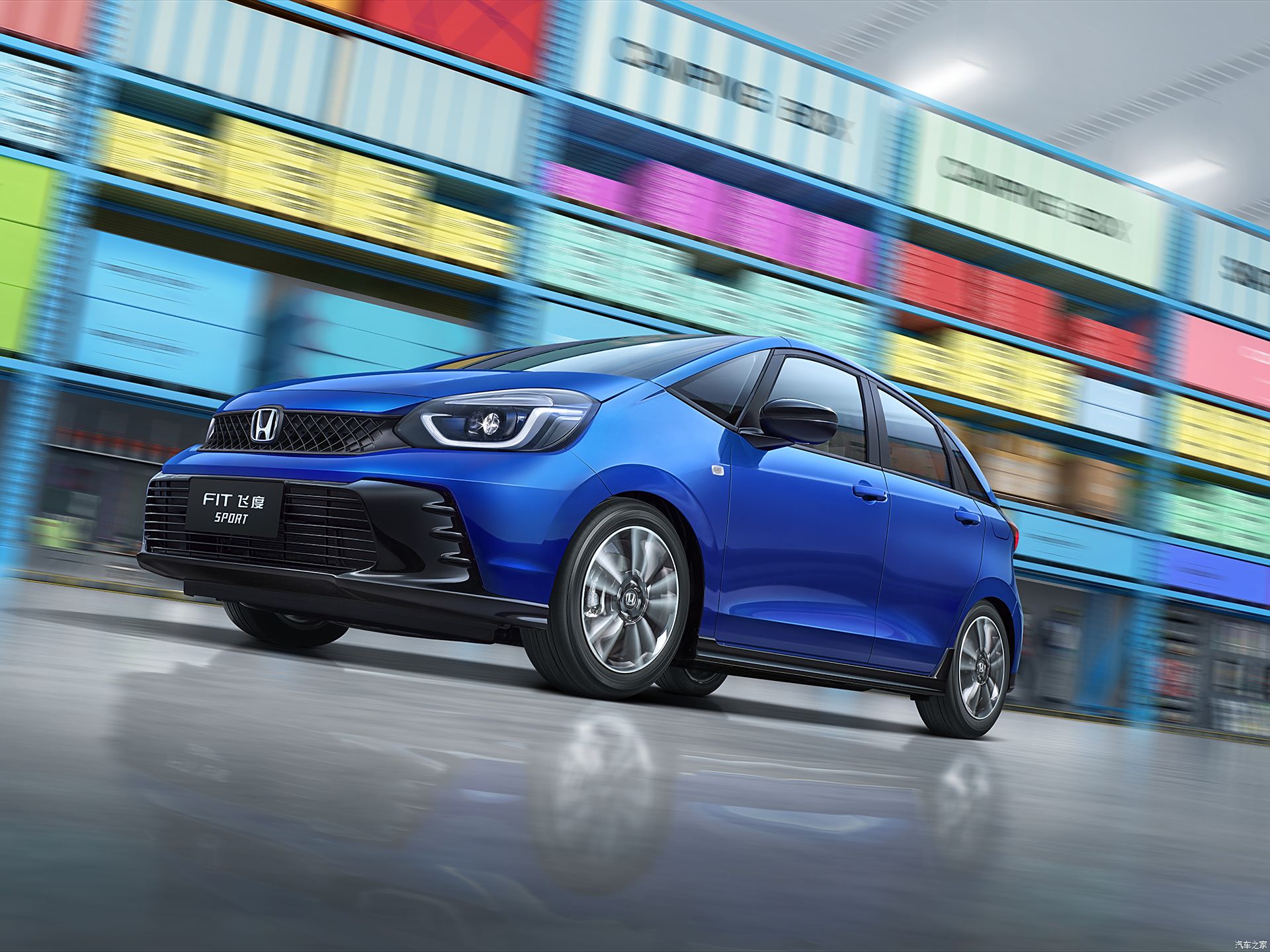
Industria automobilium transformationem revolutionariam experitur dum vecturae novae energiae mundi totius terrarum formas mutant. Technologiae electricae, hibridae et cellulae combustibilis iam non sunt conceptus experimentales, sed solutiones primariae quae mobilitatem sustinendam promunt. Principes mercati per diversas regiones novas vecturas ex nova energia introducunt, quae technologiam summae novitatis cum functione practica iungunt. Haec vecturae futurum transportationis repraesentant, offerentes consumptoribus alternativas ratione environmentalis curantes, sine functione vel communitate amissa. Mutatio globalis ad vecturas ex nova energia crescentem cognitionem ambientalem reflectit, simulque initiativas gubernamentales quae solutiones puriores ad vehiculandum promunt.
Principes Mercati Mundi in Novatione Vehiculorum Electricorum
Continua Dominatio Teslae in Segmentis Praemiatis
Tesla manet suam positionem ut cognitissimum genus inter nova vehicula energetica, perennis fines technologicos promovens in efficientia batteriarum et facultatibus navigationis autonomae. Modellica eius S, 3, X et Y normas constituerunt pro actu vehiculorum electricorum, cursu et integrazione cum infrastructura recharging. Rete Supercharger Teslae tecturam plenam praebet per maiores mercatus, sollicitudines de ambitu angusto, quae antea adoptionem vehiculorum electricorum impediverant, tractans. Functiones adlatae, ut actualizaciones per aera, functiones piloti relictiores et interiora designata minime, exspectationes consumerium de vehiculis nova energetica reformaverunt.
Commitment firmam ad integram verticalem habet ut conservet imperium qualitatis in productione batteriarum, developmente programmatum, et processibus fabricationis. Fabricae magnae TESLA exemplaria repraesentant productionis scalabilis, quae nunc ab aliis manufactureribus imitantur ut crescenti petitioni vehiculorum novae energiae satisfiat. Recentes mutationes pretiorum faciliorem aditum ad vectura TESLA praebuerunt latioribus segmentis consumerium, interea tamen positionem praeclarissimam in thesauro mercati vehiculorum electricorum luxuosi servant.
Portfolio Completum Electricorum et Hibridorum BYD
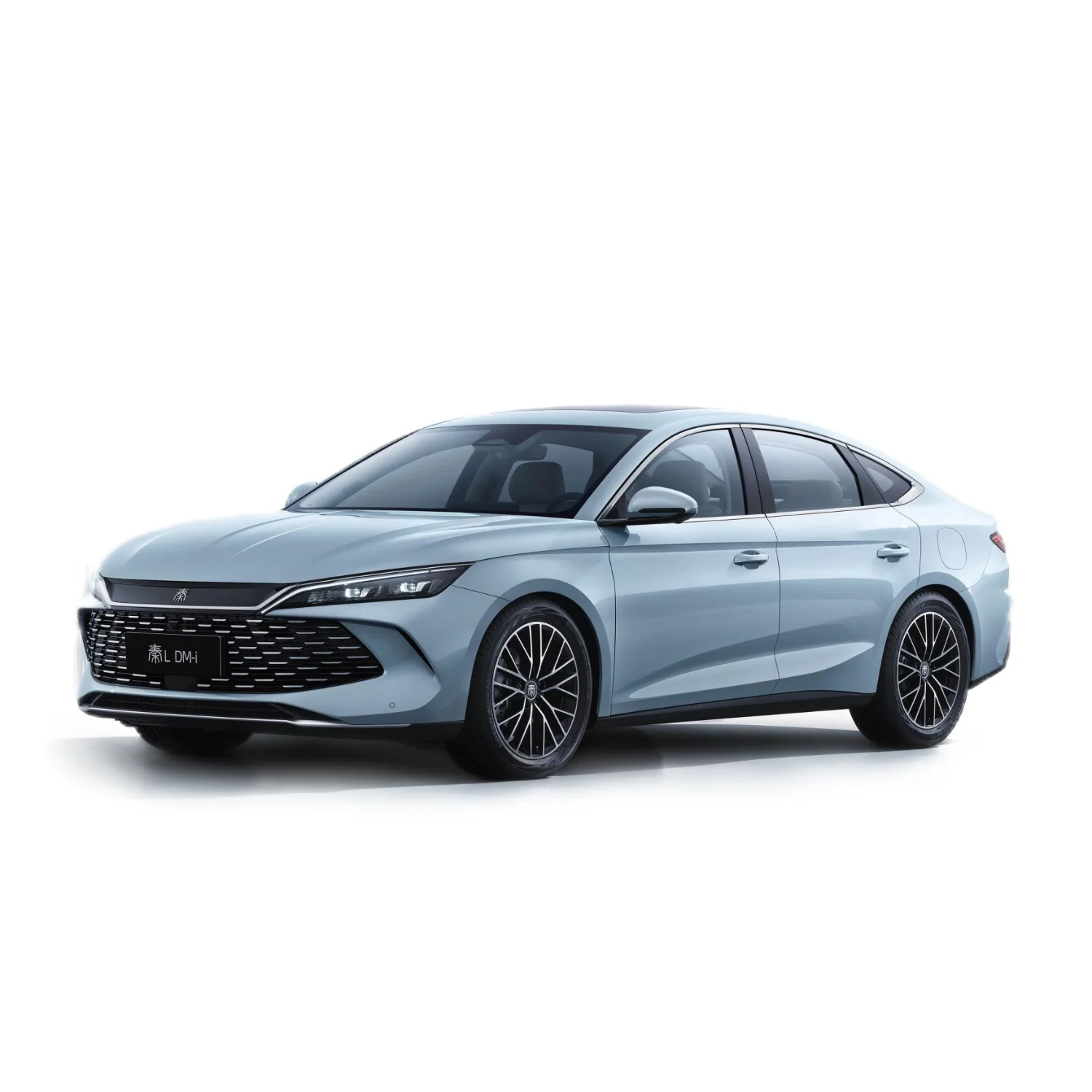
Fabricator Sinarum BYD emersit ut competens validus in mercatis globalibus vehiculorum novae energiae, offerens productorum varia genera quae vehicula privata, vehicula commercialia et solutiones conservationis energiae complectuntur. Technologia bateriarum gladii BYD meliorem securitatem, duraTIONEM maiorem et densitatem energiae praebet comparata systematibus lithio-ion tradicionalibus. Vehicula hybrida modi duplex BYD, inter quae series popularis Qin, optiones motus flexibiles praebent quae consumeribus placeant qui ex machinis traditionalibus combustionis internae ad nova Energia Vehicula .
Societates strategicae cum distributoribus internationalibus expansionem globalem BYD acceleraverunt, praesertim in mercatis Europaeae et Asiae Orientalis ubi leges de rebus ambientibus solutiones electricas pro mobilitate magis fovent. Rationem integratam societatis complectitur fabricatio batteriarum, constructio vehiculorum et evolutio infrastructurae refectionis, creans aequationes completas quae adoptionem late diffusam vehiculorum novae energiae adiuvant.
Nova Technologia quae Futuram Transportandi Formabit
Progressus Accumulatuum Solidi Status
Revolutionaria technologia batteriarum solidi status pollicetur currentes novarum vehiculorum energiae limites superare, inter quae tempora replecionis, densitas energiae, et sensibilitas temperaturae. Principales fabricantes automotorum et societates technologicae milliardi in investigatione solidi status investiunt, applicationes commerciales intra proximum decennium expectantes. Haec sublimiora batteria nova energiae vehicula efficere possent ut velocitates replecionis ad tradita plena comburendo comparatas adipiscantur, simulque per longius spatium vehendi valentiam praestent.
Toyota, QuantumScape et Samsung SDI sunt signiferae partes quae solutiones statu solido inveniunt, quae novarum energiarum vehiculorum praestantias transformatum iri possunt. Maior tutela, minores incendi pericula, et melior functionis conditio frigoris solidam technologiam maxime appetendam reddunt in variis climatibus. Scalabilitas manufacturae manet primum negotium, dum societates certant processus fabricationis efficaces ad inveniendum qui adoptionem in vulgus novarum energiarum vehiculorum tueantur.
Integratio cellulae combustibilis hydrogenii
Technologia pilae hydrogenii viarum alias offert pro vehiculis novarum energiarum, praesertim in transportibus gravibus ubi pondus batteriae et reficiendi ratio infrastructurae difficultates operationales creant. Societates ut Hyundai, Toyota et Nikola vehicula hydrogenio mota inveniunt quae operationem sine emittendo iungunt cum celeri reficiendi facultate, sicut vehicula gasolinea consueta.
Infrastructurae evolutiones ad rete hydrogenii distributionis magnam pecuniam et coordinationem inter administrationes publicas, societates energiae et fabricantes automobilium requirunt. Dispositio strategica in regionibus certis et applicationibus permittit incrementum gradusale vehiculorum novae energiae hydrogeno motorum dum ecosystemata subsidia aedificantur. Tractores mercantiles, vectio publicum et commeatus longarum viarum sunt mercationes primariae quibus cellulae combustibilis hydrogenii praerogativas claras prae alternativis electricis batteriis demonstrant.
Dynamicae Mercationum Regionum et Praeferentiae Consumerum
Focus Mercationis Europaeae in Sustinibilitate
Consumptores Europaei praedilectionem firmam demonstrant pro vehiculis novae energiae quae conveniunt cum regulis ambientalibus strictis et finibus sustinibilitatis. Incentiva gubernamentalia, inclusis subsidia emptionis, exemptionibus tributarum et aditu ad areas urbanas restrictas, celerem adoptionem vehiculorum electricorum et hibridorum fovent. Fabricatores praeclaros sicut BMW, Mercedes-Benz et Audi lineas completas vehiculorum electricorum introduxerunt, quae consumptores Europaeos divites petunt qui responsabilitatem ambientalem una cum functionibus luxuosus priorizant.
Evolutio infrastructurae relegendi per paederationem Europaeam viatica longa distantia cum vehiculis novae energiae fovet, difficultatibus practicis de limitibus cursus respondens. Protocolla relegendi standardizata et cooperatio transfrontalicia operationem seamless vehiculorum electricorum per continentem adiuvant. Initiativae urbanisticae crebraius vehicula novae energiae recipiunt per zonas parking dedicatas, stationes relegendi, et zonas humilis emissionis quae aditum vehiculorum conventionalium restringunt.
Innovatio Mercati Asiatici et Excellentia Fabricationis
Mercatus Asiatici, praesertim Sinae, Iaponia et Corea Australis, ducatum tenent in productione globali et innovatione technologica vehiculorum novae energiae. Politicae gubernatorum faventes fabricationi vehiculorum electricorum, investigationi batteriarum et infrastructurae incitandi creant conditiones idoneas ad incrementum industriae. Fabricatores Sinenses praestantes commoda pretii assecuti sunt per productionem scalarem et catenas supplicum integratas, facientes ut vehicula novae energiae pro consumptoribus mediis adhuc magis aequabilia fiant.
Automobilium fabricatores Iaponici in hybridum technologiae perficienda et developmente cellarum combustibilis insistunt, utendi decenniis experiencia cum systematibus propulsionis alternativis. Societates Coreae Australis excellunt in technologia batteriarum et processibus fabricationis provectis, quae productionem vehiculorum novae energiae altae qualitatis adiuvant. Collaborationes strategicae inter fabricatores Asianos et sodales globales translationem technologiae ac penetrationem mercati in mercatis internationalibus variis accelerant.
Implicationes Oeconomicae et Tenduntiae Mercati
Analytica de Totius Possessionis Onere
Circumstantia completa summae expensae dominii praesertim foveat vehicula nova energiae ante formas conventionales, respiciens factores sicut pecuniae conservationem ex carburanti, minorem necessitudinem mendantis, et praemia gubernativa. Motores electrici multo minus mendantis egent quam motones combustionis internae, eliminantes periodicas olei mutationes, curas transmissionis, et emendationes systematis exhausti. Expensae energiae pro vehiculis novae energiae plerumque inferiores manent quam impensae gasolineae, praecipue in regionibus ubi generatio electrica ex fontibus renouabilibus abundat.
Praenuntiationes valoris residui pro vehiculis novae energiae continuo meliores fiunt, quia duratio batteriarum expectationes initiales superat et infrastructura recharging dilatatur. Impensae insuranceis pro vehiculis electricis saepe aequant aut praetergrediuntur praemia vehiculorum conventionalium, quod meliores aestimationes securitatis et minores furtorum rates reflectit. Operatores gregis emolumenta economica vehiculorum novae energiae agnoscunt, quae adoptionem commercialem in servitiis taxi, societatibus dationum et programmatibus vehiculorum corporatorum impellunt.
Considerationes de ordine supply et quaestio materiarum primitivarum
Catena supply globalis pro vehiculis novae energiae difficultates habet quae ad petendum mineralia critica spectant, inter quae lithium, cobaltum et rarae terrae necessariae ad productionem batteriarum et motorum. Considerationes geopoliticae influunt in securitatem supply et stabilitatem pretiorum materiae, quae a manufactureribus vehiculorum novae energiae requiruntur. Initiamenta recyclica et development chemiae alternativae intendunt dependentiam minuere a materialibus raris, dum tamen standarda performance servantur.
Strategemata integrationis verticalis a primis societatibus vehiculorum novae energiae adhibita auxiliantur ut catenae supply firmatae sint et qualitas per totos processus productionis regatur. Societates strategicae cum societatibus minatoribus, fabricantibus batteriarum et supplicatoribus technologiae retia resilientia creant quae incrementum sustinabile suffragantur. Investitio in processing domesticum mineralium et in facultates recycling batteriarum dependentiam internationale minuit et evolutionem oeconomicam localem in regionibus quae vehicula novae energiae recipiunt, fovet.
Praesagia Futura et Praenuntiationes Industriae
Praesagiae Crescendi Mercati et Rationes Adoptionis
Analystae industriales crescendum exponentialis venditionum vehiculorum novae energiae per proximum decennium praesagiant, cum vehicula electrica usquequaque maiorem partem mercati in nationibus developatis anno 2035 repraesentare possint. Impendentes pretii batteriarum, melioratio infrastructurae incitandi, et ampliatio copiae modulorum adoptionem celerantem in omnibus segmentis consumerum propellunt. Mandata gubernamentalia quae rationes vehiculorum nullius emissionis vendendorum requirunt momentum regulatorium creant quod expansioni vehiculorum novae energiae fovendam subvenit.
Mercatus emergentes augentem in novis vehiculis energeticiis interesse ostendunt, dum sollicitudo de qualitate aëris localis et consideratio securitatis energiae cum emolumentis environmentalibus conveniunt. Moduli electrici vehiculorum adfectabiles ad oeconomias in evolutione delibati adoptionem globalem accelerare possent dum aditum ad transporta sustinabilia fovent. Translatio technologiae et productio localis efficiunt productionem adfectabilem novorum vehiculorum energeticiorum, quae ad conditiones regionales speciales et praelectiones accommodantur.
Convergentia Technologica et Integratio Prudens
Futura vehicula energeticia connexionem progressam, facultates navigationis autonomas et interactionem cum retia intelligente integrabunt ut systemata mobilis completa creent. Technologia vehiculum-ad-retium permittit vehiculis energeticiis ut storagea energiae distributa fungantur, integrationem electricitatis renouabilis et stabilitatem retis fovendo. Ars intelligens et discentia machinalis gestionem batteriarum, rationem itineris et consumptionem energiae in operationibus reali tempore optimizant.
Servitia mobilitatis communicata praesertim vehicula nova energiae utuntur, ut expensas operationales et effectus ambientales minuant, simulque opportunitates urbanae commeationis commodae praebent. Coniunctio cum infrastructura urbis sapiens permittit gestionem cohaerentem trafficum, optimizationem dynamicae refectionis, ac systemata maintenance praedictivam. Haec coniunctio technologica locat vehicula nova energiae ut partes centrales evolutionis urbanae sustinibilis et nexuum commeationis intelligentium.
Quaestiones Frequentes
Quae sunt praecipua commoda vehiculorum novae energiae contra cars traditionales
Nova vectura energetica multa praebent praemia, inter quae nulla vel minuta emissa, infiores expensas operationis per electricitatem vel carburantia vilitate, exigua opus conservatione, silentiose operari et statim torque offerre. Praemia gubernamentalicia saepe novos vehiculos energeticos initio adsequibiles reddunt, dum diuturna economia ex imminutis impensis propter carburantia et conservationem perpetuas pecuniarias utilitates praebet. Adiuncta environmentalia meliorem qualitatem aeris in urbibus et minorem dependentiam ab importationibus fossilium carburantium includunt.
Quanto tempore batteriae in novis vehiculis energeticis solent durare
Bateriae vehiculorum modernorum energiam novam utentium saepe durant annos 8–15 aut passus 100 000–200 000, secundum consuetudines usus, conditiones climatis et rationes relegendi. Plurimi fabricantes praestant fideiussiones quae degradationem capacitas bateriarum tegunt per annos 8–10, fidam functionem per aetates consuetas possidendi tutantes. Optiones recyclandi et mutandi bateriae continuo meliores fiunt, cum pretia minuantur dum technologia progreditur et productio in orbe terrarum augetur.
Quae infrastructura relegendi adfertur pro vehiculis energiam novam utentibus
Infrastructura condendi vehiculorum novae energiae includit stationes condendi domesticae, loca condendi in loco operis, publica condendi retia, et celeria condendi itinera iuxta vias magnas. Plurima vehicula novae energiae condere possunt utentes ordinarias domi praebitiones, speciales unitates condendi domestici, vel publicas stationes condendi variis potentiarum gradibus. Rapidum expansio condendi retium curas de cursu metus minuit, dum applicationes ad telephonum auxilium praebent ut staciones condendi inveniantur et viae efficienter consiliari possint.
Suntne vehicula novae energiae apta pro itineribus longinquis
Nova vehicula energiae hodie procurrentia suum cursus longinquum per augmentatam capacitatem batteriarum, crescentes retia rapidae refectionis et systemata progressa itineris consiliendi. Multa exemplaria electrica 250–400 millia passuum singulis refectionibus attingunt, dum mixta cum suffitu praebent spatium longius per motores gasolineos, quotiens opus est. Rationabiliter dispositae stationes refectiunculae in itineribus longis addunt tempus minimum, comparate ad stationes traditales comburibilis, praesertim cum technologia refractionis ultrarapidae late disponibilis sit in principalibus itinerum regionibus.