
 EN
EN
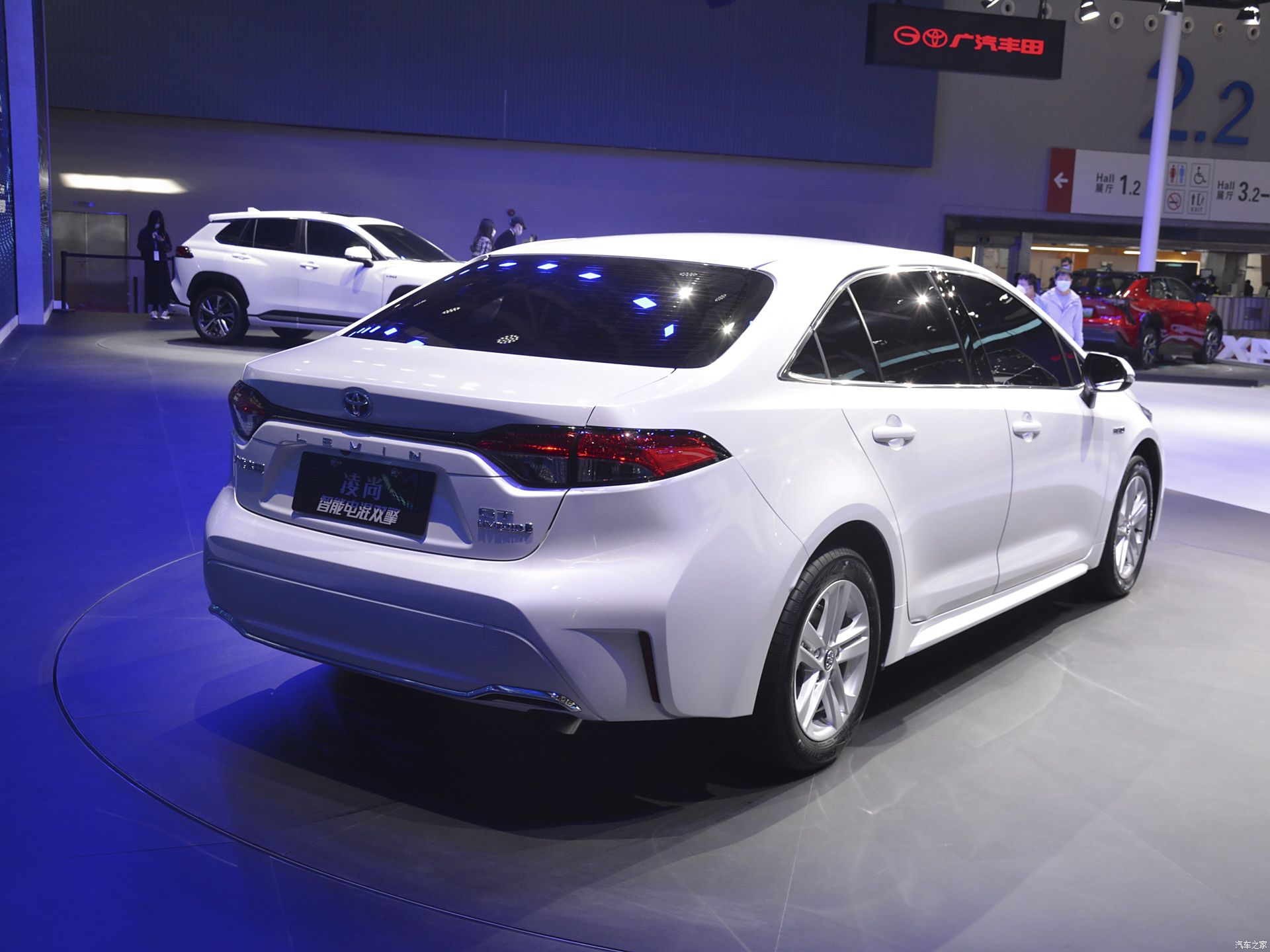
Sekta ya usafiri inapitia mabadiliko yasiyofaa kutokea wakati gari la nishati mpya linavyokuwa msingi wa usafiri wenye uendelevu. Ubadilishaji huu unaonyesha zaidi kuliko maendeleo ya teknolojia tu; unawakilisha mabadiliko ya msingi katika namna tunavyowaza kuhusu uwezo wa kuhamia, uwajibikaji kuelekea mazingira, na matumizi ya nishati. Wakati serikali za dunia nzima zinazifanya sheria kali zaidi za uchafuzi na watumiaji kuwa na fahamu zaidi juu ya mazingira, magari ya nishati mpya yamebadilika kutoka kama mbadala madogo kwenda suluhisho kuu ambalo linawapaahizo kubadili tabasamu letu la usafiri kwa vizazi vijavyo.

Kupokelewa kwa watu wa ndani ulimwenguni kwa viwanda vya nishati mpya kimeongezeka kwa kasi kufuatia miaka kumi iliyopita, kwa sababu ya mapatazo ya teknolojia katika teknolojia ya betri, kuongezeka kwa miundombinu ya kuchoma, na siasa za serikali zinazosaidia. Watahini wa sokoni wanatarajia kuwa viwanda vya nishati mpya vitawakilisha sehemu kubwa ya mauzo ya magari ulimwenguni kwa miaka ishirini ijayo, kubadilisha msingi wa mfumo wa usafiri wa magari na kuunda fursa mpya za ubunifu katika viwandani vingi.
Manufaa ya Kibao ya Gari la Uongozi Mpya
Kupunguza Uchafuzi wa Kaboni na Uboreshaji wa Ubora wa Hewa
Vehiculi vya nishati mpya vinatoa manufaa makubwa ya mazingira ikilinganishwa na magari ya kawaida yenye injini za moto wa ndani, hasa katika uwezo wake wa kupunguza kutoka kwa kaboni dioksidi na kuboresha ubora wa hewa mahali. Unapowapa nguvu kwa vyanzo vya nishati yenye uwezo wa kuwalewa upya, magari ya nishati mpya yanaweza kufikia karibu nochi ya mapunguzo ya uchafuzi wakati wa matumizi, ikichangia juhudi za kimataifa za kupambana na mabadiliko ya tabianchi na kupunguza uchafuzi wa hewa mjini. Utafiti umekuwa ukithibitisha kwamba hata unapokumbuka uzalishaji wa umeme kutoka kwa viungo vya kioevu, magari ya nishati mpya hutengeneza mapunguzo kidogo sana ya maisha yake kuliko magari ya kawaida.
Madhara ya mazingira ya viwanda vya nishati mpya hayana kufikia kupunguza uchafuzi wa moja kwa moja bali pia inahusisha faida zaidi za ekolojia. Viwanda hivi hutenga tofauti kutokwa kwa taka hatari kama vile oksidi za nitrojeni, chembechembe, na madarasa ya kikaboni yanayochangia kuundwa kwa smogi na matatizo ya afya ya kupumua katika eneo la miji. Kama vile mitambo ya umeme inavyozidisha kuingiliana na vyanzo vya nishati yenye ubora, faida za kiwango cha mazingira ya viwanda vya nishati mpya vinavyopanuka, kuunda mzunguko mzuri unaosaidia usafiri safi na uzalishaji wa nishati safi.
Uokoa wa Rasilimali na Vifaa Vinavyotumika Vyema
Magari ya kisasa ya nishati mpya yanajumuisha sayansi ya vitu vya juu na mazoezi endelevu ya ufungaji yanayochangamsha uokoa wa rasilimali na kanuni za uchumi wa mviringo. Wakuzaji wanatumia kiasi kikubwa zaidi vitu vilivyorejewa, vipengele vinavyotokana na kiume, na vitu vyenye uzito mdogo ambavyo vinaoshiriki kuondoa athari kwa mazingira na matumizi ya nishati. Maendeleo ya teknolojia ya kurejesha betri yanahakikisha kuwa vitu muhimu kama vile lithiamu, kobalti, na vitu vya ardhi chachu vinaweza kupokelewa tena na kutumika upya, kuzuia athari kwa mazingira ya magari ya nishati mpya kote sambamba na maisha yao yote.
Mabadiliko kuelekea mitambo ya nishati mpya pia inapunguza ukumbusho wa madereva ya petroli, ikisaidia usalama wa nishati na kupunguza mazingira yanayoharibika yanayohusiana na kuondoa mafuta, kuchakata, na usafirishaji. Mabadiliko haya husaidia maendeleo ya rasilimali za nishati zenye uwezo wa kurejeshwa ndani ya nchi na kupunguza uwepo wa sokoni wa madereva ya fosili yanayobadilika mara kwa mara, ikiundia gharama za nishati zenye ustahimilivu zaidi na zinazoweza kutabiriwa kwa watumiaji na biashara sawasawa.
Mapinduzi ya Teknolojia Yanayosonga Kuongezeka Kwa Soko
Maendeleo ya Teknolojia ya Batari
Maendeleo ya haraka ya teknolojia ya betri inawakilisha sababu kuu inayochukua mbele matumizi ya viwanda vya nishati mpya, kwa kuwa uboreshaji wa mara kwa mara wa wote wake wa nguvu, kasi ya kukokotoa, na uzuri umewasili kwa makaburini ambayo ilizungumziwa kabla kama maadui ya kubwa ya soko. Betri za lithium-ion za kisasa zinazotumiwa katika viwanda vya nishati mpya sasa zinatoa uwezo wa masafa marefu zaidi, ambapo baadhi kati ya mikondo inafiki kiasi cha milo 300 kwa malipo moja tu, kinachowasilisha hasira ya masafa kwa wateja wengi. Maendeleo haya ya teknolojia yamefikia kupitia mapema katika kimia cha betri, mifumo ya usimamizi wa joto, na taratibu za uundaji ambazo zinafaa utendaji wakati wa kupunguza gharama.
Teknolojia za kupanga kama vile vifaa vya kusanya nishati vya silid-silaiti, vifaa vya kusanya nishati vya lithiamu-kimetal, na vitu vya cathode vinavyotakasa kuwa bora zaidi vinafikiriwa kuwawezesha magari mapya ya nishati kwa kunipa wazi wa juu zaidi wa denisiti ya nishati, muda mfupi wa kukamilika kwa mashtaka, na usalama bora zaidi. Mchango wa utafiti na maendeleo bado unaendelea kuwa lengwa kwamba ughafi wa gharama za vifaa vya kusanya nishati ukiongeza utendaji, na michango ya sekta inayowashiriki kuwa gharama za vifaa vya kusanya nishati zitaendelea kupungua, ikifanya magari mapya ya nishati yaweze kukabiliana na gharama na magari ya kawaida.
Uhusiano Mkali na Sifa za Kupigwa na Utulivu
Magari mapya ya nishati hutumika kama jukwaa la kujumuisha teknolojia za kidijitali zenye kiungo cha juu, ikiwa ni pamoja na akili bandia, kujifunza kwa mashine, na vipengele vya kuunganisha ambavyo vinavyowawezesha usalama, ufanisi, na uzoefu wa mtumiaji. Magari mengi gari la Uongozi Mpya sasa inajumuisha mifumo ya kisasa ya msaada wa madereva, sasisho za programu kupitia-wavu, na mifumo ya burudani na usafiri imeunganishwa ambayo inatoa uhusiano wa kimataifa kati ya magari na miundo ya kidijitali. Uwezo huu wa kiufundi unaweka magari ya nishati mpya kama sehemu muhimu za mitaa ya akili na mitandao ya usafiri unaofanya kazi vizuri.
Unganisha kwa uwezo wa kuendesha kiotomatiki magari ya nishati mpya unawakilisha ukungikaji wa teknolojia ya nishati safi na ya haraka ambayo inahakikisha kubadilisha ufanisi na usalama wa usafiri. Magari otomatiki ya nishati mpya yanaweza kuboresha matumizi ya nishati kupitia mpango wa njia unaofanya kazi vizuri, utunzaji unaotarajia, na usimamizi wa msafara umekombushwa, ambapo kunazo faida zaidi za mazingira na ya kiuchumi pamoja na kuboresha utendaji wa mfumo wake wa usafiri.
Mweleko wa Soko na Mienendo ya Kubwatabwata na Wateja
Upanuzi wa Soko la Kimataifa na Tofauti za Mikoa
Soko la kimataifa la vipanduo vya nishati mpya limepata kukua kwa kiasi kikubwa, na mauzo kuongezeka kwa kiasi kikubwa katika masoko yote makubwa ya magari kama watumiaji wanakaribisha suluhisho endelevu za usafiri. Mienendo ya kutumia huwaje kwa namna ya kipekee kulingana na mikoa, baadhi ya masoko yaniongoza katika aina fulani za magari kama vile magari yenye betri ya umeme, magari ya kanisumbua, au magari yenye seli ya mchakato, ikihusiana na maendeleo ya miundombinu ya mitaa, mshawishi wa serikali, na mapendeleo ya watumiaji. China sasa inawahi kuwa soko kubwa zaidi la magari ya nishati mpya, ikifuatiwa na Ulaya na Amerika Kaskazini, pamoja na masoko yanayotanda kuonyesha hamu zaidi kama gharama za teknolojia inapungua na miundombinu ya kupeperusha ikienea.
Uwiano wa soko la viatu vya nishati mpya unavuka bila kuvuruga, na vitofauti vinavyopanuka kutoka kwa magari madogo ya abiria hadi kufikia magari ya kifahari, lori za biashara, basi, na matumizi maalum kama vile magari ya ziara za ardhi yenye changarawe. Utofauti huu unahakikisha kuwa viatu vya nishati mpya vinaweza kukidhi mahitaji tofauti ya usafiri wa vipengele tofauti vya wateja wakionesha uwezeshaji wa kujipatia soko kubwa zaidi na maendeleo ya miundo ya msingi.
Sababu za kiuchumi na Gharama Jumla ya Uamilikiaji
Mapato ya kifedha ya viatu vya nishati mpya yameimarika sana kwa kuwa gharama za teknolojia zimepungua na manufaa ya utendaji yameonekana zaidi kwa watumiaji na wafanyakazi wa floti. Mahesabu ya gharama jumla ya utajiri yanawezeshwa kiasi kikubwa viatu vya nishati mpya kwa sababu ya gharama za chuma kushuka, mahitaji ya usimamizi yanapungua, na madeni mbalimbali ambayo serikali na miradi ya umma inayotoa. Kukomesha mabadiliko ya moto ya kawaida, kupungua kuvuja kwa sababu ya kupiga marudi, na vipande vingi vya kidijitali vinavyoshiriki katika maghubiri ya umeme kuhusu kupunguza gharama za usimamizi kwa muda mrefu kwa viatu vya nishati mpya.
Mipango na siasa za serikali bado ina wajibu muhimu katika kasi kwa manufaa ya gari mpya ya nishati kupitia riziki za kununua, mkopo wa kodi, ada chini za usajili, na upatikanaji wa magari yenye watu wengi. Hatua hizi zinazosaidia zinawezesha kupunguza bei kubwa ya awali ya kununua magari ya nishati mpya pamoja na kusaidia maendeleo ya uwezo wa uzalishaji na miundombinu ya kuwasilisha umeme inayohitajika kwa ajili ya matumizi ya umma.
Maendeleo ya Miundombinu na Mtandao wa Kuwasilisha Umeme
Upanuzi wa Miundombinu ya Uwasilishaji wa Umeme wa Umma
Maendeleo ya miundombinu ya kuwezesha kuchoma kwa ujumla inawakilisha muhimu kwa kunukuzwa kwa viwanda vya nishati mpya, na maabara ya umma na binafsi yanayosaidia kuongezeka kwa mitandao ya kuchoma katika miji, mikoa ya mijini, na barabara. Vituo vya kuchoma kwa haraka vya uwezo wa kuongeza kilomita zahidi kwa dakika imekuwa ya kawaida zaidi, ikisuluhisha maswali juu ya safari za umbali mrefu na kusaidia mabadiliko ya mikasa ya biashara kwenda kwa viwanda vya nishati mpya. Mchakato wa kustandaradhia unahakikisha ukilinganishwaji kati ya modeli mbalimbali za magari na mitandao ya kuchoma, ikiboresha urahisi na upatikanaji kwa watumiaji wa viwanda vya nishati mpya.
Weka kwa makini ya vituo vya kuwasilisha umeme kwenye maeneo ya kazi, vituo vya kununua, madarasa, na mashahiri mengine husaidia ongezeko la fursa za kumalizia wakati wa shughuli za kila siku, ikisaidia ujumuishaji wa vipande vya nishati mpya katika mitindo ya maisha yanayopatikana. Teknolojia za kuwasilisha bila waya na mifumo ya kuwasilisha kiotomatiki inawajibika kama ubunifu unaotuchukulia ambao unashuhudia kuwawezesha kumaliza kwa urahisi zaidi na kuongeza uzoefu wa mtumiaji wa vipande vya nishati mpya.
Suluhisho la Kuwasilisha Nyumbani na Mahali pa Kazi
Kuchoma nyumbani kinawakilisha njia kuu ya kuchoma kwa wamiliki wengi wa viatu vya nishati mpya, ambapo mitandao ya kuchoma nyumbani inatoa urahisi, maadili yenye ufanisi wa gharama, na uwezo wa kutunza matumizi ya umeme pamoja na ustahimilivu wa mtandao. Mifumo ya kuchoma kisasa iwezekana kuunganishwa na mitandao ya utunzaji wa nishati ya nyumbani, vituo vya paneli za jua, na tarakimu za umeme kulingana na wakati ili kusaidia kupunguza gharama za kuchoma pamoja na kusaidia utekelezaji wa mtandao. Programu za kuchoma mahali pa kazi zinatoa fursa zingine za kuchoma pamoja na kuonyesha uamuzi wa kampuni kuhusu kuendeleza ustawi na manufaa kwa wafanyakazi.
Uungwana wa viatu vya nishati mpya na mitandao ya nyumbani na biashara inaumba fursa za teknolojia za kuvutia kutoka kwa gari kwenda kwa mtandao ambazo inaruhusu magari kutoa usafirishaji wa nishati na huduma za mtandao, iwezekanavyo kuzalisha mapato kwa wamiliki wa magari wakati inasaidia ujumuishaji wa nishati yenye ubora na ustahimilivu wa mtandao. Uwezo huu wa kuchoma pande zote mbili unaunga makazi ya viatu vya nishati mpya kama rasilimali za nishati zenye uwezo wa kuhamia ambazo zinaweza kuongeza uwezo wa kutegemea na uwezo wa kupigania mabadiliko ya mfumo wa nishati.
Mtazamo wa Mbele na Migogoro Inayotokea
Teknolojia ya Magari ya Kizazi Kipya
Maendeleo ya kesho ya viwanda vya nishati mpya vitajulikana kwa maboresho yanayowezekana katika ufanisi, utendaji, na uwezo wake, pamoja na teknlolojia moja kwa moja kama vile vifaa vya kisasa, akili ya sanifu, na jumla ya nishati yenye uwezo wa kuimarishwa ili kuunda fursa mpya za usafiri wenye uendelevu. Vijua visivyotumiwa tena vya viwanda vya nishati mpya vitakuwa na mfumo ulioborolewa wa ustawi wa nishati, uwezo mzuri wa kutendeka binafsi, na ujumuishwaji mkubwa zaidi na miundombinu ya busara na mitandao ya nishati yenye uwezo wa kuimarishwa.
Utafiti juu ya teknolojia mbadala ya kuhifadhia nishati, ikiwa ni pamoja na seli za gesi ya hidrojeni, vifahamu vya nguvu, na mifumo ya nishati ya kiasi, bado inapanuka fursa za viwanda vya nishati mpya kwa maombile tofauti na mazingira ya utendaji tofauti. Mbinu hizi tofauti za teknlolojia zinahakikisha kuwa viwanda vya nishati mpya vinaweza kupanuliwa kwa matumizi maalum wakati wanazima faida za mazingira na ufanisi wa utendaji.
Mabadiliko ya Sekta na Maendeleo ya Mnyuko wa Ugavi
Sekta ya viatu inakabiliana na mabadiliko makubwa wakati wasanifu wa kawaida wanipoanzia kutumia viatu vya nishati mpya wakati mashirika mapya yanapojizungumza soko kwa njia mpya za ubunifu, utengenezaji, na usimamizi wa huduma. Mabadiliko haya yanatoa mnyuko mpya wa ugavi, mitindo ya biashara, na ushirikiano ambao unaunga mkono mfumo ulioongezeka wa viatu vya nishati mpya pamoja na kuendeleza uvumbuzi na kupunguza gharama.
Maendeleo ya viatu vya nishati mpya yanastimuli uwekezaji katika utengenezaji wa betri, miundombinu ya kuwasha, uzalishaji wa nishati yenye ustawi, na teknolojia za upya, kuunda sekta mpya za kazi na fursa za ajira pamoja na kuunga mkono maendeleo ya ekonomi kwa ujumla. Ushirikiano wa kimataifa na kushiriki teknolojia kunataka haraka mabadiliko ya kimataifa kwenda kwenye viatu vya nishati mpya pamoja na kuhakikisha kuwa faida zinapaswa kusambazwa kote katika mikoa na masoko mbalimbali.
Maswali Yanayoulizwa Mara kwa Mara
Aina kuu za viwanda vya nishati mpya inapatikana leo ni zipi
Viwanda vya nishati mpya vinajumuisha teknolojia tofauti kadhaa, ikiwa ni pamoja na viwanda vya umeme vilivyo na betri (BEV) vinavyotumia umeme uliohifadhiwa, viwanda vya umeme vinavyowakilishwa na PHEV vinavyojiunga na injini za moto wa ndani, na viwanda vya seli za kemia ya hidrojeni vinavyozalisha umeme kupitia maweka ya kemia. Kila aina inatoa faida maalum kulingana na tabia za kuendesha, upatikanaji wa miundombinu, na mahitaji ya utendaji, ikiruhusu watumiaji kuchagua viwanda vya nishati mpya vinavyolingana vizuri zaidi na mahitaji yao ya usafiri.
Vivanda vya nishati mpya vinaweka athari gani kwenye maombi ya umeme na ustahimilivu wa mtandao
Kukubalika kwa wingi wa viwanda vya nishati mpya vitahakikisha kuongezeka kwa mahitaji ya umeme lakini pia inaweza kutoa manufaa kwa mtandao kupitia utunzaji smart na teknolojia za kutumia gari kwa mtandao. Programu zilizosimamiwa za utunzaji zinaweza badilisha wakati wa kutunza viwanda vya nishati mpya kwakipokuwa mahitaji ya umeme ni chini na unga wa nishati yenye uwezo wa kuzidi ni mingi. Uunganisho mzuri wa mtandao unaruhusu viwanda vya nishati mpya vifanye kama rasilimali za kuhifadhi nishati kwa usambazaji, kusaidia ustahimilifu wa mtandao na uunganisho wa nishati yenye uwezo wa kuzidi huku kikomo kinapunguza gharama za umeme kwa wamiliki wa magari.
Sababu zipi ambazo wanachukua kwa uchunguzi wateja wakiongeza viwanda vya nishati mpya
Watumiaji wanaotathmini viwanda vya nishati mpya wanapaswa kuzingatia sababu kama vile mahitaji ya uendeshaji, upatikanaji wa miundombinu ya kuweka deni, gharama jumla ya utajiri ikiwa ni pamoja na uokoa wa kusafiria na matumizi, vigumu na mapunguzo yanayopatikana, na sifa maalum za utendaji. Maamuzi pia yanapaswa kuchukua tahadhari mambo ya uzuri wa maisha kama uwezo wa kuweka deni nyumbani, mitindo ya safari, na mapendeleo ya mazingira, kuhakikisha kwamba viwanda vya nishati vipya vilivyonchaguliwa vinalingana na mahitaji na mapendeleo binafsi.
Vivundi vya nishati mpya vinaendelea vipi katika hali tofauti za tabianchi
Miguruguru ya kisasa ya nishati mpya inajumuisha mitandao ya utawala wa joto ambayo inahakikisha utendaji na ufanisi katika hali za tabianchi zote. Ingawa joto kali linaweza kuathiri utendaji wa betri na kujazwa, uboreshaji wa mara kwa mara wa teknolojia unaendelea kupunguza madhara haya. Mifumo ya usimamizi wa awali inaruhusu maguruguru ya nishati mpya kuchanganya joto la kabini na la betri wakati yanapounganishwa kwenye vituo vya kuwasilisha, ikihifadhi kipindi cha kusafiri na kuhakikisha raha bila kujali hali ya anga.
Orodha ya Maudhui
- Manufaa ya Kibao ya Gari la Uongozi Mpya
- Mapinduzi ya Teknolojia Yanayosonga Kuongezeka Kwa Soko
- Mweleko wa Soko na Mienendo ya Kubwatabwata na Wateja
- Maendeleo ya Miundombinu na Mtandao wa Kuwasilisha Umeme
- Mtazamo wa Mbele na Migogoro Inayotokea
-
Maswali Yanayoulizwa Mara kwa Mara
- Aina kuu za viwanda vya nishati mpya inapatikana leo ni zipi
- Vivanda vya nishati mpya vinaweka athari gani kwenye maombi ya umeme na ustahimilivu wa mtandao
- Sababu zipi ambazo wanachukua kwa uchunguzi wateja wakiongeza viwanda vya nishati mpya
- Vivundi vya nishati mpya vinaendelea vipi katika hali tofauti za tabianchi