
 EN
EN
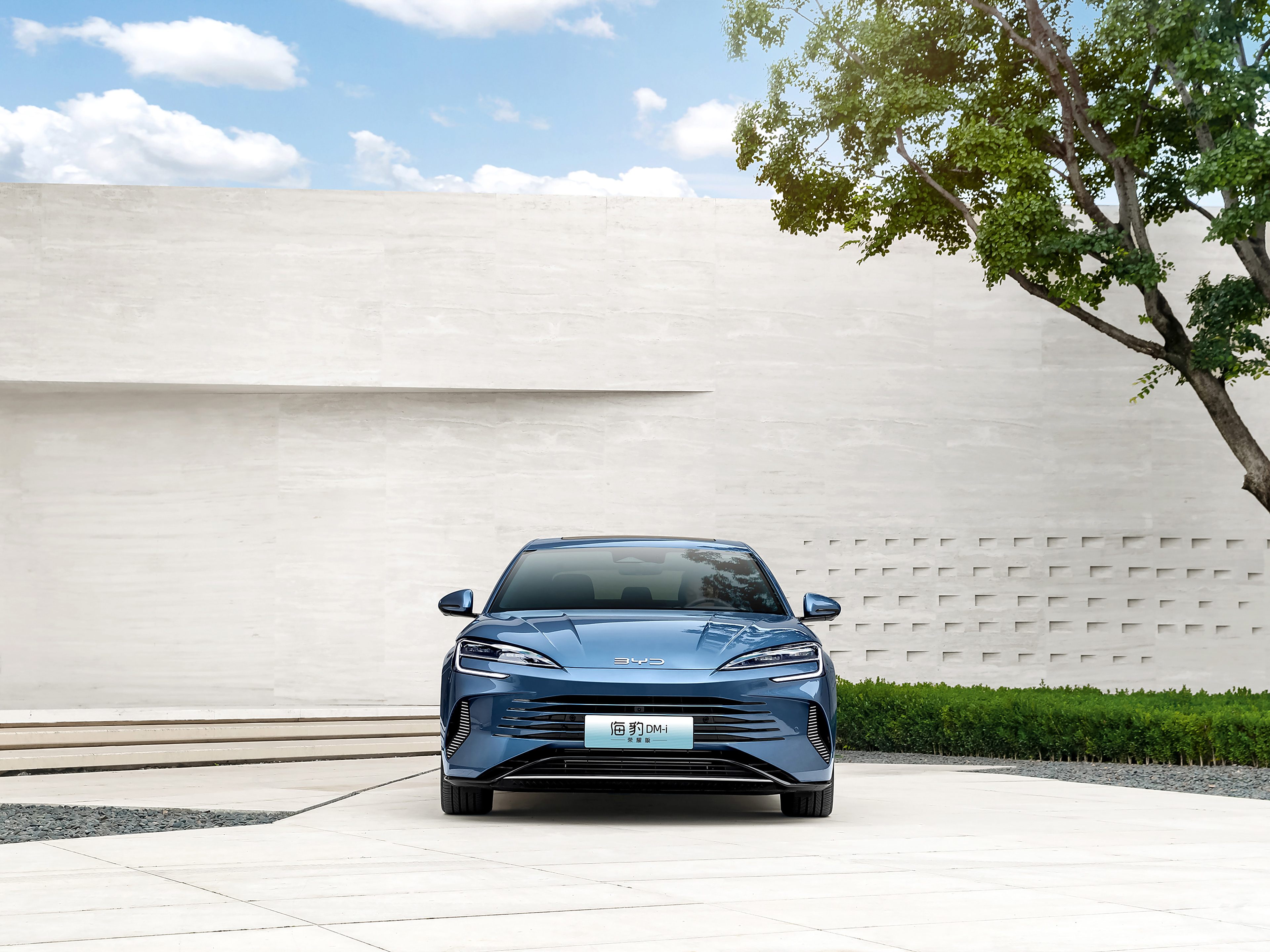
Ang industriya ng automotive ay nakakaranas ng walang kapantay na pagbabago habang ang mga bagong sasakyang may enerhiya ay radikal na nagbabago sa larangan ng transportasyon. Ang mga inobatibong sasakyan na ito, kabilang ang mga elektriko, hibrido, at teknolohiyang gamit ang hydrogen fuel cell, ay higit pa sa simpleng alternatibo sa tradisyonal na combustion engine. Kinakatawan nila ang isang komprehensibong paglipat patungo sa mga solusyon sa mobile na nagtutugon sa mga alalahanin sa kapaligiran, seguridad sa enerhiya, at pag-unlad ng teknolohiya. Ang mabilis na pag-adopt ng mga bagong sasakyang may enerhiya ay nagbabago hindi lamang kung paano tayo lumalakbay, kundi pati na rin kung paano natin iniisip ang tungkol sa konsumo ng enerhiya, urban planning, at responsibilidad sa kapaligiran.

Pagkakahalang sa Kalikasan at mga Benepisyo ng Pagpapatuloy
Pagbawas sa Mga Emisyon ng Carbon sa Pamamagitan ng Malinis na Transportasyon
Ang mga bagong sasakyan na pinapatakbo ng enerhiya ay mahalaga sa pagbawas ng mga carbon emission mula sa transportasyon, na nagkakahalaga ng humigit-kumulang 14% ng global na greenhouse gas emissions. Hindi tulad ng karaniwang sasakyan na gumagamit ng fossil fuels, ang mga elektrik at hybrid na bagong sasakyan ay walang ibubuga o mas mababa ang tailpipe emissions. Mas lalo pang lumalaki ang epekto nito kapag ang kuryente na ginagamit para sa mga sasakyan ay galing sa mga renewable source tulad ng solar, hangin, o hydroelectric power. Ang kabuuang epekto ng mas malawakang paggamit ng mga bagong sasakyan na pinapatakbo ng enerhiya ay maaaring drastiko ring magpababa ng polusyon sa hangin sa mga urban na lugar at makatutulong sa pagtupad sa mga pandaigdigang komitment laban sa climate change.
Ang mga benepisyong pangkalikasan ay lumalawig pa sa pagbawas ng emisyon at kasama rito ang pagbaba ng polusyon dulot ng ingay sa mga urban na lugar. Ang mga bagong sasakyang de-koryenteng enerhiya ay mas tahimik kumpara sa tradisyonal na sasakyan, na nag-aambag sa mas maayos na kalidad ng buhay sa mga mataong lugar. Ang pagbawas ng ingay ay lalo pang kapaki-pakinabang sa mga tirahan, paaralan, at ospital kung saan maaaring negatibong maapektuhan ang kalusugan at kabutihan dahil sa labis na ingay ng trapiko.
Pagpapalaganap ng Yaman at mga Prinsipyo ng Circular Economy
Ang pag-unlad ng mga bagong sasakyang may enerhiya ay nagtataguyod ng pagpapalaganap ng yaman sa pamamagitan ng inobatibong mga programa sa pagre-recycle ng baterya at mapagkukunang mga gawi sa pagmamanupaktura. Ang mga advanced na teknolohiya ng baterya na ginagamit sa mga sasakyan na ito ay dinisenyo na isinasailalim ang katapusan ng buhay ng produkto, na nagbibigay-daan sa pagbawi at muling paggamit ng mahahalagang materyales tulad ng lithium, cobalt, at rare earth elements. Ang ganitong circular economy na paraan ay binabawasan ang pangangailangan sa bagong pagkuha ng hilaw na materyales habang nililikha ang mga oportunidad sa ekonomiya sa sektor ng pagre-recycle.
Ang mga proseso sa pagmamanupaktura para sa mga bagong sasakyang de-kuryente ay patuloy na isinasama ang mga mapagkukunang pampaplaneta, kabilang ang paggamit ng mga recycled na materyales, renewable energy sa mga pasilidad sa produksyon, at mga teknolohiyang pangangalaga sa tubig. Ipinapakita ng mga pagsisikap na ito kung paano maaaring i-align ng automotive industry ang mga layuning pangkapaligiran habang pinapanatili ang kabuluhan sa ekonomiya at inobasyong teknolohikal.
Ang Pag-unlad sa Teknolohiya at Pag-unlad ng Bagong-Bugong-Garantiya
Mga Pagbubreakthrough sa Teknolohiya ng Baterya
Ang tagumpay ng mga bagong sasakyang de-kuryente ay lubos na nakadepende sa patuloy na pagpapabuti ng teknolohiya ng baterya, lalo na sa density ng enerhiya, bilis ng pag-charge, at katagal ng buhay. Ang mga kamakailang pag-unlad sa kimika ng lithium-ion battery ay malaki ang ambag sa pagtaas ng saklaw ng pagmamaneho ng mga electric new energy vehicles habang binabawasan ang oras ng pag-charge. Ang solid-state batteries ang susunod na hangganan, na nangangako ng mas mataas na kapasidad ng imbakan ng enerhiya, mas mahusay na kaligtasan, at mas mahabang operational lifespan.
Ang mga baterya na sistema ng pamamahala ay naging mas sopistikado, na isinasama ang artipisyal na katalinuhan at mga algoritmo ng machine learning upang i-optimize ang pagganap, hulaan ang pangangailangan sa pagpapanatili, at pahabain ang buhay ng baterya. Ang mga smart system na ito ay nagbabantay sa temperatura, mga siklo ng singa, at mga pattern ng paggamit upang matiyak ang pinakamataas na kahusayan at kaligtasan. Ang pagsasama ng mga advanced na teknolohiya ng baterya ay nagdudulot ng bagong enerhiya na sasakyan mas maaasahan at nakakaakit sa mga konsyumer na dating may takot tungkol sa saklaw ng biyahe.
Matalinong Konectibidad at Awtonomous na Mga Talento
Ang mga modernong bagong sasakyang de-kuryente ay nagsisilbing plataporma para sa advanced na konektibidad at teknolohiya ng autonomous na pagmamaneho. Madalas na may tampok ang mga sasakyang ito ng kakayahang i-update sa hangin (over-the-air), na nagbibigay-daan sa mga tagagawa na patuloy na mapabuti ang pagganap, idagdag ang mga bagong tampok, at tugunan ang mga butas sa seguridad nang hindi kinakailangang personal na bisitahin ang serbisyo. Ang pagsasama ng konektibidad na 5G ay nagbibigay-daan sa real-time na komunikasyon sa imprastraktura ng smart city, upang i-optimize ang daloy ng trapiko at bawasan ang pagkonsumo ng enerhiya.
Mabilis na binibigyang-pansin at sinusubok ang mga kakayahan sa autonomous driving sa mga bagong sasakyang de-kuryente, kung saan maraming tagagawa ang nagtatampok ng advanced driver assistance systems bilang karaniwang tampok. Ang mga teknolohiyang ito ay hindi lamang nagpapataas ng kaligtasan kundi nag-aambag din sa mas epektibong pagmamaneho na nagmamaksima sa pag-iimbak ng enerhiya at pinalalawak ang saklaw ng sakyanan. Ang pagsasama ng propulsion na gumagamit ng malinis na enerhiya at marunong na automation ay isang malaking hakbang tungo sa ganap na sustenableng sistema ng transportasyon.
Mga Kaugnay na Ekonomiya at Pagbabago sa Merkado
Gastos sa Pagmamay-ari at Mga Insentibo sa Pinansyal
Ang kabuuang gastos sa pagmamay-ari para sa mga bagong sasakyang de-kuryente ay sumisigla nang mas mapagkumpitensya kumpara sa tradisyonal na mga sasakyan dahil sa mas mababang gastos sa operasyon, nabawasang pangangailangan sa pagpapanatili, at iba't ibang insentibo ng pamahalaan. Karaniwang nangangailangan ng mas kaunting pagpapanatili ang mga elektrikong bagong sasakyang de-kuryente dahil sa mas kaunting gumagalaw na bahagi, walang pagbabago ng langis, at mga sistema ng pagsingil muli ng kuryente sa pamamagitan ng preno na nagpapababa sa pananabik sa mga bahagi ng preno. Ang mga pagtitipid sa operasyon na ito, kasama ang pagbaba ng gastos sa baterya, ay nagiging sanhi upang maging atraktibo sa pinansyal na aspeto ang mga bagong sasakyang de-kuryente para sa mga konsyumer at mga operator ng armada.
Ang mga insentibo ng gobyerno, kabilang ang mga tax credit, rebate, at paboritong paradahan o access sa lane, ay karagdagang nagpapabuti sa ekonomikong alok para sa mga bagong sasakyang de-enerhiya. Maraming bansa ang nagpatupad na ng mga patakaran upang gawing mas abot-kaya ang mga ganitong sasakyan samantalang pinapatawan din nila ng mas mataas na buwis o limitadong access sa sentro ng lungsod ang mga sasakyang may mataas na emisyon. Ang mga balangkas na ito ng patakaran ay nagpapabilis sa pag-adapt ng merkado at nag-udyok ng patuloy na inobasyon sa mga teknolohiyang pang-malinis na transportasyon.
Paglikha ng Trabaho at Ebolusyon ng Industriya
Ang paglipat patungo sa mga bagong sasakyang de-enerhiya ay lumilikha ng mga bagong oportunidad sa trabaho sa iba't ibang sektor, mula sa paggawa ng baterya at pag-unlad ng imprastraktura ng charging hanggang sa engineering ng software at integrasyon ng napapanatiling enerhiya. Ang mga tradisyonal na manggagawang automotive ay isinasailalim sa retraining para sa produksyon ng mga bagong sasakyang de-enerhiya, habang lumilitaw ang mga bagong kategorya ng trabaho sa mga larangan tulad ng recycling ng baterya, pamamahala ng charging network, at integrasyon ng mga sistema ng imbakan ng enerhiya.
Ang supply chain para sa mga bagong sasakyang may enerhiya ay lubhang nag-iiba mula sa tradisyonal na paggawa ng mga sasakyan, na lumilikha ng mga oportunidad para sa mga bagong supplier at kumpanya ng teknolohiya. Ang pagbabagong ito sa industriya ay umaabot nang lampas sa produksyon ng sasakyan at kasama rin ang paggawa ng kagamitang pang-charge, mga sistema sa pamamahala ng enerhiya, at mga teknolohiyang pagsasama sa grid. Ang mga epekto nito sa ekonomiya ay muling bumubuo sa buong rehiyon at lumilikha ng mga bagong sentro ng inobasyon sa teknolohiya at kahusayan sa pagmamanupaktura.
Pag-unlad ng Imprastruktura at Pagpaplano sa Lungsod
Papalawig na Network ng Charging
Ang malawakang pag-adoptar ng mga bagong sasakyang de-kuryente ay nangangailangan ng malaking puhunan sa imprastruktura ng pagchacharge, mula sa mga charger sa bahay hanggang sa mga mataas na bilis na pampublikong network. Ang mga lungsod sa buong mundo ay isinasama ang mga charging station sa kanilang mga plano sa urbanisasyon, at naglalagay ng mga charging point sa mga paradahan, shopping center, at kasama ang mga pangunahing ruta ng transportasyon. Ang pag-unlad ng imprastrukturang ito ay sumusuporta sa praktikal na paggamit ng mga bagong sasakyang de-kuryente habang tinatanggalan ng takot ang mga potensyal na mamimili tungkol sa saklaw ng baterya.
Ang mga inobatibong solusyon sa pagpapakarga ay kasama ang wireless charging technologies, solar-powered charging stations, at ultra-fast charging systems na kayang punuin ang baterya ng sasakyan sa ilang minuto imbes na oras. Ang mga teknolohikal na pag-unlad na ito ay nagiging mas maginhawa para sa mga konsyumer ang mga bagong sasakyang de-kuryente habang binabawasan ang kinakailangang imprastruktura para sa malawakang pag-angkop. Ang pag-unlad ng smart charging systems na nag-o-optimize sa paggamit ng enerhiya batay sa demand ng grid at availability ng renewable energy ay lalo pang nagpapahusay sa sustenabilidad ng transportasyong de-kuryente.
Grid Integration at Energy Storage
Ang mga bagong sasakyang de-kuryente ay unti-unting itinuturing na mga mobile energy storage system na nakakatulong sa pagpapatatag ng grid at pagsasama ng renewable energy. Ang vehicle-to-grid na teknolohiya ay nagbibigay-daan sa mga sasakyan na ito na magbalik ng enerhiya sa electrical grid tuwing panahon ng mataas na demand, na epektibong ginagawang distributed energy resources ang mga naka-park na sasakyan. Ang kakayahang ito ng dalawang direksyon ng agos ng enerhiya ay nagbabago sa mga bagong sasakyang de-kuryente mula sa simpleng sasakyan para sa transportasyon tungo sa aktibong kalahok sa ekosistema ng enerhiya.
Ang pagsasama ng mga bagong sasakyang de-kuryente sa mga smart grid na teknolohiya ay nagpapahintulot sa mas mahusay na paggamit ng mga renewable na pinagkukunan ng enerhiya sa pamamagitan ng pag-imbak ng sobrang solar o hangin na enerhiya para gamitin sa hinaharap. Ang sinergiyang ugnayan sa pagitan ng malinis na transportasyon at renewable na enerhiya ay nagpapabilis sa transisyon patungo sa isang ganap na napapanatiling sistema ng enerhiya, habang binibigyan din ng karagdagang halaga ang mga may-ari ng sasakyan sa pamamagitan ng potensyal na kita mula sa pagbebenta ng enerhiya.
Pagtanggap ng mga Konsyumer at Mga Tendensya sa Merkado
Pagbabago ng Mga Preferensya ng Konsumers
Dramatikong nagbago ang mga saloobin ng mga konsyumer tungkol sa mga bagong sasakyang de-kuryente habang lumalala ang kamalayan sa kalikasan at umuunlad ang teknolohiya ng sasakyan. Ang mga modernong mamimili ay patuloy na higit na binibigyang-pansin ang pagiging mapagpaliban, mga tampok na teknolohikal, at pangmatagalang gastos sa operasyon kumpara sa tradisyonal na mga salik tulad ng lakas ng engine at kahusayan sa gasolina. Malaki ang pagbabagong ito lalo na sa mga kabataan na nakikita ang mga bagong sasakyang de-kuryente bilang simbolo ng katayuan na kumakatawan sa pananagutan sa kalikasan at kahusayan sa teknolohiya.
Ang iba't ibang uri ng mga bagong sasakyang de-kuryente ay lubos na lumawak, kabilang ang mga kompak na kotse para sa lungsod hanggang sa mga SUV na may luho at mga trak pangkomersyo. Ang ganitong pagkakaiba-iba ay nagagarantiya na matutugunan ng mga bagong sasakyang de-kuryente ang pangangailangan ng iba't ibang segment ng mamimili at mga tiyak na gamit, na nagpapabilis sa pagsusulong ng merkado sa iba't ibang sektor ng populasyon. Ang kakayahan sa pagganap ng mga modernong sasakyang de-kuryente ay kadalasang mas mataas kaysa sa mga katumbas na sasakyang gumagamit ng gasolina, na humahamon sa matagal nang pananaw tungkol sa mga limitasyon ng mga sasakyang de-kuryente.
Pag-adop ng Fleet at Komersyal na Aplikasyon
Ang mga operator ng komersyal na sasakyan ay patuloy na nag-aampon ng mga bagong sasakyang de-kuryente dahil sa mas mababang gastos sa operasyon, maayos na pagtaya sa gastos sa enerhiya, at pangako sa katatagan ng korporasyon. Ang mga kumpanya ng padala, serbisyo ng pagbabahagi ng biyahe, at mga ahensya ng pampublikong transportasyon ay nakikilala ang pinansiyal at ekolohikal na benepisyo ng paglipat sa mga sasakyang de-kuryente. Mas lalo pang lumalabas ang bentaha sa kabuuang gastos sa pagmamay-ari lalo na sa mga komersyal na gamit na may mataas na milyahi kung saan mabilis tumataas ang tipid sa gasolina.
Ang mga sasakyang panggobyerno ay nangunguna sa maraming bansa, kasama ang mga utos na nangangailangan ng tiyak na porsyento ng mga bagong sasakyang de-kuryente sa mga operasyon ng sektor publiko. Ipinapakita ng ganitong institusyonal na pagtanggap ang kakayahang magamit ng elektrikong transportasyon habang nililikha ang ekonomiya ng sukat na nakakalamang sa buong merkado. Ang tagumpay ng mga naunang komersyal na pagtanggap ay nagbibigay ng makapangyarihang mga pag-aaral na nag-uudyok sa mas malawak na pagtanggap sa merkado ng mga bagong sasakyang de-kuryente.
Mga Madalas Itanong
Ano ang mga pangunahing uri ng mga bagong sasakyang de-kuryente na available sa kasalukuyan
Ang mga bagong sasakyang de-kuryente ay sumasaklaw sa ilang teknolohiya kabilang ang battery electric vehicles (BEV) na tumatakbo buong-buo sa kuryente na naka-imbak sa rechargeable na baterya, plug-in hybrid electric vehicles (PHEV) na pinagsama ang electric motor at internal combustion engine, at hydrogen fuel cell vehicles na nagge-generate ng kuryente sa pamamagitan ng mga kemikal na reaksyon. Ang bawat uri ay nag-aalok ng iba't ibang mga pakinabang depende sa ugali ng pagmamaneho, availability ng imprastruktura, at mga pangangailangan ng gumagamit, kung saan ang battery electric vehicles (BEV) ang kasalukuyang pinakamalaking segment ng merkado ng mga bagong sasakyang de-kuryente.
Gaano katagal karaniwang tumatagal ang mga baterya ng mga bagong sasakyang de-kuryente
Ang mga modernong baterya ng bagong sasakyang de-koryente ay dinisenyo upang tumagal ng 8-10 taon o 100,000-150,000 milya sa ilalim ng normal na kondisyon ng paggamit, kung saan nag-aalok ang maraming tagagawa ng warranty na nagsisiguro sa pagganap ng baterya sa loob ng nasabing panahon. Ang paghina ng baterya ay unti-unting nangyayari sa paglipas ng panahon, kung saan ang karamihan sa mga baterya ay nag-iingat pa rin ng 70-80% ng kanilang orihinal na kapasidad matapos maabot ang warranty period. Patuloy na pinahahaba ng mga advanced na sistema ng pamamahala ng baterya at mas mahusay na komposisyon ng kemikal ang buhay ng baterya habang binabawasan ang gastos sa pagpapalit.
Angkop ba ang mga bagong sasakyang de-koryente para sa mahabang biyahe
Maraming modernong bagong sasakyang de-koryente ang nag-aalok ng saklaw na pagmamaneho na lumalampas sa 300 milya sa isang singil, na angkop para sa mahabang biyahe lalo na kapag pinagsama sa mabilis na palawakin ang mga network ng mabilisang pagsisingil. Ang mga aplikasyon para sa pagpaplano ng biyahe ay tumutulong sa mga drayber na hanapin ang mga istasyon ng pagsisingil kasama ang kanilang ruta, habang ang teknolohiyang ultra-mabilis na pagsisingil ay maaaring magdagdag ng malaking saklaw sa loob lamang ng 15-30 minuto. Para sa mga drayber na madalas maglakbay nang malayo nang walang ma-access na imprastraktura ng pagsisingil, ang plug-in hybrid na bagong sasakyan ay nagbibigay ng kakayahang umangkop gamit ang backup na gasolina.
Anu-anong insentibo ng gobyerno ang available para sa pagbili ng bagong sasakyang de-koryente
Ang mga insentibo ng gobyerno para sa mga bagong sasakyang de-kuryente ay nakadepende sa bansa at rehiyon, ngunit karaniwang kasama ang mga pederal na kredito sa buwis, mga rebate mula sa estado, nabawasang bayarin sa pagpaparehistro, at access sa mga lane para sa sasakyan na may mataas na occupancy. Maraming hurisdiksyon ang nag-aalok din ng karagdagang mga benepisyo tulad ng libreng paradahan, nabawasang singil sa toll, at eksepsyon sa mga kinakailangan sa pagsusuri ng emission. Ang mga insentibong ito ay maaaring makabuluhang bawasan ang epektibong presyo ng pagbili ng mga bagong sasakyang de-kuryente, habang nagbibigay ng patuloy na operasyonal na mga benepisyong nakapagpapabuti sa kabuuang gastos sa pagmamay-ari kumpara sa mga tradisyonal na sasakyan.
Talaan ng mga Nilalaman
- Pagkakahalang sa Kalikasan at mga Benepisyo ng Pagpapatuloy
- Ang Pag-unlad sa Teknolohiya at Pag-unlad ng Bagong-Bugong-Garantiya
- Mga Kaugnay na Ekonomiya at Pagbabago sa Merkado
- Pag-unlad ng Imprastruktura at Pagpaplano sa Lungsod
- Pagtanggap ng mga Konsyumer at Mga Tendensya sa Merkado
-
Mga Madalas Itanong
- Ano ang mga pangunahing uri ng mga bagong sasakyang de-kuryente na available sa kasalukuyan
- Gaano katagal karaniwang tumatagal ang mga baterya ng mga bagong sasakyang de-kuryente
- Angkop ba ang mga bagong sasakyang de-koryente para sa mahabang biyahe
- Anu-anong insentibo ng gobyerno ang available para sa pagbili ng bagong sasakyang de-koryente